
 English
-
English
-
 Español
-
 Português
-
 Русский
-
 Français
-
 日本語
日本語
-
 Deutsch
-
 Tiếng Việt
-
 Italiano
-
 Nederlands
-
 ไทย
ไทย
-
 Polski
-
 한국어
한국어
-
 Svenska
-
 Magyar
-
 Bahasa Melayu
-
 বাংলা
বাংলা
-
 Dansk
Dansk
-
 Suomi
Suomi
-
 हिन्दी
-
 Filipino
-
 Türkçe
-
 Gaeilge
-
 العربية
-
 Bahasa Indonesia
-
 Norsk
Norsk
-
 اردو
اردو
-
 Čeština
-
 Ελληνικά
-
 Українська
-
 Basa Jawa
-
 فارسی
فارسی
-
 தமிழ்
தமிழ்
-
 తెలుగు
-
 नेपाली
-
 မြန်မာ
-
 Български
-
 ລາວ
ລາວ
-
 Latina
-
 Қазақша
-
 Euskera
-
 Azərbaycan
-
 Slovenčina
-
 Македонски
-
 Lietuvių
-
 Eesti
Eesti
-
 Română
-
 Slovenščina

Design Principles for Steel Member Connections
In Steel Structure engineering, connections between Steel Member s are the critical links responsible for force transfer. The quality of connection design directly affects the overall safety, reliability, and economic efficiency of the structure. Whether welded connections, bolted connections, or hybrid connection systems are used, a series of fundamental design principles must be followed to ensure coordinated structural performance under loads and effective resistance to various hazards.
HB Steel Structure Engineering Co., Ltd. has extensive experience in Steel Structure engineering, specializing in structural design solutions, customized component fabrication, and turnkey project delivery for a wide range of building applications. With strong expertise in connection detailing, comprehensive technical capabilities, and a mature project execution system, we develop tailored connection solutions that comply with regional building codes and accommodate diverse service conditions. This article provides an in-depth analysis of the four core principles of Steel Structure connection design, offering valuable insights for international designers, engineers, and project investors.
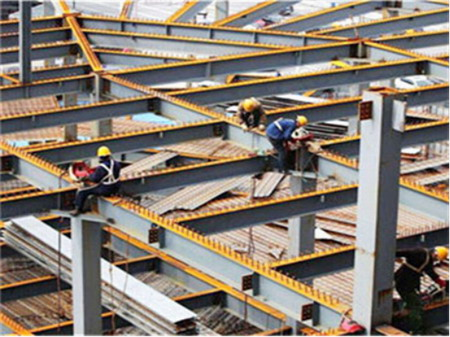
Design Principles for Steel Structure Connections
1.Principle of Clear and Direct Load Transfer
The primary objective of Steel Structure connection design is to ensure a clear and direct load transfer path. Connection details should closely correspond to the assumptions used in the structural analysis model, minimizing stress concentrations and eliminating ambiguous force transmission mechanisms.
The selection and arrangement of welds, bolts, and other connection methods should enable internal forces to flow smoothly from one Steel Member to another without detours or localized overloads. Connections with well-defined load paths not only make structural behavior more predictable but also facilitate the implementation of capacity design principles in seismic engineering.
2.Principle of Safety, Reliability, and Strength Assurance
The load-carrying capacity of a connection should exceed that of the connected Steel Member s, following the widely accepted design philosophy of "strong connections, weak members."
Whether using welded, bolted, or combined bolted-welded connections, their strength, stiffness, and ductility must satisfy applicable design standards while providing an adequate safety margin. In seismic regions, connection details should possess stable hysteretic energy dissipation characteristics and sufficient plastic deformation capacity to prevent brittle failure during major earthquakes.
For fatigue-sensitive areas, detailed fatigue assessments should also be conducted to ensure long-term structural performance and durability.
3.Principle of Rational Detailing and Constructability
While meeting structural performance requirements, connection design must also consider practical constructability and installation feasibility.
Connection details should be as simple and standardized as possible, facilitating both shop fabrication and field erection. During the design stage, sufficient access space should be provided for welding operations, while adequate clearance should be reserved for the installation and tightening of high-strength bolts.
Designers should also account for erection sequences, tolerance adjustments, inspection requirements, and future maintenance accessibility. Connection details that may be theoretically efficient but are difficult to fabricate, install, or quality-control in practice should be avoided.
4.Principle of Economy and Material Efficiency
On the basis of safety and functionality, Steel Structure connection design should strive for economic efficiency.
This includes optimizing the dimensions of connection plates and the length of welds to reduce steel consumption, as well as selecting connection methods that minimize fabrication and installation costs. For example, where appropriate, high-strength friction-grip bolted connections can be prioritized to reduce on-site welding and non-destructive testing requirements, thereby improving construction efficiency.
In addition, adopting standardized and modularized connection details facilitates mass production, simplifies inventory management, and lowers overall project costs throughout the structure's life cycle.
Conclusion
Clear load transfer, reliable strength, practical constructability, and economic efficiency—these four principles form the foundation of effective Steel Structure connection design.
By adhering to these principles, engineers can enhance the quality, safety, and performance of Steel Structure projects while achieving greater cost-effectiveness. HB Steel Structure Engineering Co., Ltd. is committed to sharing these design philosophies with industry professionals worldwide and contributing to the continuous advancement of Steel Structure technology.
HB Steel Structure Engineering Co., Ltd. has extensive experience in Steel Structure engineering, specializing in structural design solutions, customized component fabrication, and turnkey project delivery for a wide range of building applications. With strong expertise in connection detailing, comprehensive technical capabilities, and a mature project execution system, we develop tailored connection solutions that comply with regional building codes and accommodate diverse service conditions. This article provides an in-depth analysis of the four core principles of Steel Structure connection design, offering valuable insights for international designers, engineers, and project investors.
Design Principles for Steel Structure Connections
1.Principle of Clear and Direct Load Transfer
The primary objective of Steel Structure connection design is to ensure a clear and direct load transfer path. Connection details should closely correspond to the assumptions used in the structural analysis model, minimizing stress concentrations and eliminating ambiguous force transmission mechanisms.
The selection and arrangement of welds, bolts, and other connection methods should enable internal forces to flow smoothly from one Steel Member to another without detours or localized overloads. Connections with well-defined load paths not only make structural behavior more predictable but also facilitate the implementation of capacity design principles in seismic engineering.
2.Principle of Safety, Reliability, and Strength Assurance
The load-carrying capacity of a connection should exceed that of the connected Steel Member s, following the widely accepted design philosophy of "strong connections, weak members."
Whether using welded, bolted, or combined bolted-welded connections, their strength, stiffness, and ductility must satisfy applicable design standards while providing an adequate safety margin. In seismic regions, connection details should possess stable hysteretic energy dissipation characteristics and sufficient plastic deformation capacity to prevent brittle failure during major earthquakes.
For fatigue-sensitive areas, detailed fatigue assessments should also be conducted to ensure long-term structural performance and durability.
3.Principle of Rational Detailing and Constructability
While meeting structural performance requirements, connection design must also consider practical constructability and installation feasibility.
Connection details should be as simple and standardized as possible, facilitating both shop fabrication and field erection. During the design stage, sufficient access space should be provided for welding operations, while adequate clearance should be reserved for the installation and tightening of high-strength bolts.
Designers should also account for erection sequences, tolerance adjustments, inspection requirements, and future maintenance accessibility. Connection details that may be theoretically efficient but are difficult to fabricate, install, or quality-control in practice should be avoided.
4.Principle of Economy and Material Efficiency
On the basis of safety and functionality, Steel Structure connection design should strive for economic efficiency.
This includes optimizing the dimensions of connection plates and the length of welds to reduce steel consumption, as well as selecting connection methods that minimize fabrication and installation costs. For example, where appropriate, high-strength friction-grip bolted connections can be prioritized to reduce on-site welding and non-destructive testing requirements, thereby improving construction efficiency.
In addition, adopting standardized and modularized connection details facilitates mass production, simplifies inventory management, and lowers overall project costs throughout the structure's life cycle.
Conclusion
Clear load transfer, reliable strength, practical constructability, and economic efficiency—these four principles form the foundation of effective Steel Structure connection design.
By adhering to these principles, engineers can enhance the quality, safety, and performance of Steel Structure projects while achieving greater cost-effectiveness. HB Steel Structure Engineering Co., Ltd. is committed to sharing these design philosophies with industry professionals worldwide and contributing to the continuous advancement of Steel Structure technology.
Related News
- Building a Strong Foundation for Steel Structure Manufacturing Plant Development
- Steel Structure Concert Hall: Long-Term Construction Advantages for Premium Performing Arts Venues
- Waterproof System for Steel Structure Buildings: Building a Durable Defense Against Water Damage
- Steel Structure Factory Building Column Base Design: Building a Strong Foundation for Industrial Structures
- Steel Structure Office Building: An Adaptable Solution for Modern Commercial Architecture
- Four Core Systems That Drive the Industrialization of Steel Structure Residential Buildings






Leave me a message