
 English
-
English
-
 Español
-
 Português
-
 Русский
-
 Français
-
 日本語
日本語
-
 Deutsch
-
 Tiếng Việt
-
 Italiano
-
 Nederlands
-
 ไทย
ไทย
-
 Polski
-
 한국어
한국어
-
 Svenska
-
 Magyar
-
 Bahasa Melayu
-
 বাংলা
বাংলা
-
 Dansk
Dansk
-
 Suomi
Suomi
-
 हिन्दी
-
 Filipino
-
 Türkçe
-
 Gaeilge
-
 العربية
-
 Bahasa Indonesia
-
 Norsk
Norsk
-
 اردو
اردو
-
 Čeština
-
 Ελληνικά
-
 Українська
-
 Basa Jawa
-
 فارسی
فارسی
-
 தமிழ்
தமிழ்
-
 తెలుగు
-
 नेपाली
-
 မြန်မာ
-
 Български
-
 ລາວ
ລາວ
-
 Latina
-
 Қазақша
-
 Euskera
-
 Azərbaycan
-
 Slovenčina
-
 Македонски
-
 Lietuvių
-
 Eesti
Eesti
-
 Română
-
 Slovenščina

Building a Steel Structure Industrial Park
As the global industrialization of prefabricated construction continues to accelerate, steel structure industrial park s are increasingly becoming a key driver of modern urban development due to their advantages in sustainability, construction efficiency, and adaptability. Industrial clustering plays a vital role in promoting the large-scale adoption of steel structures, reducing production and R&D costs, and integrating upstream and downstream supply chains. As a result, developing specialized steel structure industrial park s has become an important strategy for upgrading regional prefabricated construction industries.
HB Steel Structure Engineering Co., Ltd. has been deeply involved in the prefabricated steel structure sector for many years, focusing on the research, design, and implementation of steel structure industrial buildings. Guided by customer needs, the company adheres to a multidimensional service philosophy while maintaining its commitment to brand excellence and quality-driven development. Leveraging proprietary technologies, a well-established supply chain network, and extensive project management experience, HB Steel Structure Engineering Co., Ltd. continuously integrates industry resources across the value chain. Drawing on its experience in overseas industrial park development, this article explores the construction logic and innovative operational models behind steel structure industrial park s.
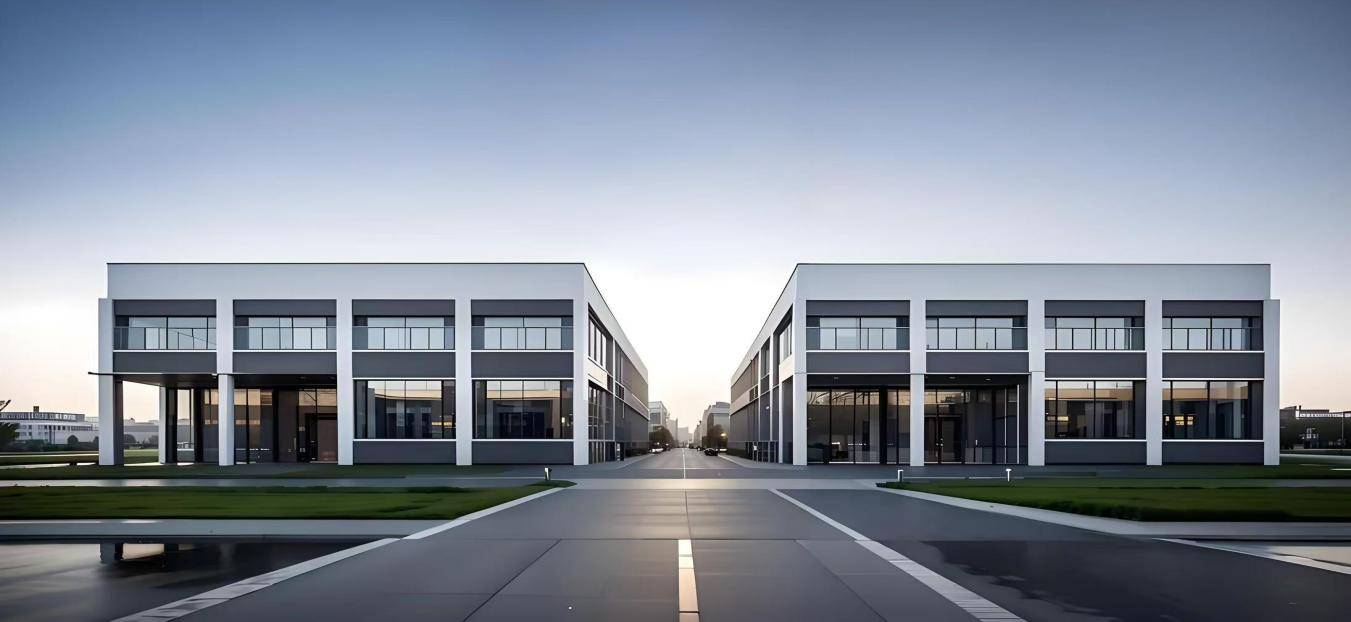
1. Industrial Park Development Relies on Existing Urban Resources
A steel structure industrial park is not an isolated economic entity. Its development and operation depend heavily on existing regional resources, including local steel structure manufacturers, research and development capabilities, skilled labor, building material supply chains, and mature logistics systems.
A strong industrial foundation within a region can significantly shorten the cultivation period of an industrial park, reduce initial infrastructure investment, and provide a solid foundation for industrialized growth.
However, in many regions, these resources are often fragmented and geographically dispersed. Manufacturers, research institutions, suppliers, and service providers are typically located across different areas, creating challenges such as limited information exchange, underutilized production capacity, and high collaboration costs. This fragmented landscape often hinders the achievement of large-scale, standardized, and integrated industrial production, making it one of the primary challenges that industrial parks aim to address.
2. Innovative Operating Model: Decentralized Production, Centralized Empowerment
To bridge the gap between dispersed resources and the need for large-scale production, the industry can adopt an innovative operating model characterized by "decentralized production, centralized exhibition, and selective on-site manufacturing."
This approach preserves the advantages of existing local manufacturers while maximizing the benefits of industrial clustering. Rather than replacing established small and medium-sized enterprises, the model utilizes regional production resources more efficiently, avoiding unnecessary duplication of investment and minimizing resource waste.
By maintaining decentralized manufacturing while centralizing service functions and resource integration, the model creates a more flexible and efficient industrial ecosystem capable of supporting long-term growth.
3. Functional Park Planning for Integrated Industrial Coordination
Local governments can designate dedicated land for the development of integrated steel structure industrial park s, bringing together key industrial support functions within a unified framework.
The park can be organized into multiple specialized zones, including:
Administrative Coordination Center
Technology Research and Development Center
Product Exhibition and Exchange Center
Building Materials Trading and Distribution Center
Brand Promotion and Business Incubation Center
The park can also accommodate newly established enterprises alongside well-established local companies, creating opportunities for collaboration and shared growth.
Through the integration of these functional sectors, governments can implement more effective supervision and policy support while facilitating communication among enterprises, research institutions, investors, and service providers. This integrated environment promotes technology sharing, resource exchange, and collaborative business opportunities.
As a result, a new industrial ecosystem can emerge—one that combines decentralized manufacturing with centralized services and support systems, effectively overcoming the limitations of fragmented industrial development.
Integrating Regional Resources to Accelerate Industry Upgrading
The core value of a steel structure industrial park lies in its ability to reshape the regional prefabricated steel structure industry ecosystem. By serving as a central hub that activates existing urban resources and balances decentralized production with centralized collaboration, industrial parks can significantly reduce operational costs, accelerate technological innovation, and expand market influence.
Looking ahead, HB Steel Structure Engineering Co., Ltd. will continue exploring innovative industrial clustering models and actively participate in the development of supporting infrastructure for prefabricated steel structure industrial park s. Together with global partners, the company is committed to advancing the sustainable growth of the steel structure industry worldwide.
HB Steel Structure Engineering Co., Ltd. has been deeply involved in the prefabricated steel structure sector for many years, focusing on the research, design, and implementation of steel structure industrial buildings. Guided by customer needs, the company adheres to a multidimensional service philosophy while maintaining its commitment to brand excellence and quality-driven development. Leveraging proprietary technologies, a well-established supply chain network, and extensive project management experience, HB Steel Structure Engineering Co., Ltd. continuously integrates industry resources across the value chain. Drawing on its experience in overseas industrial park development, this article explores the construction logic and innovative operational models behind steel structure industrial park s.
1. Industrial Park Development Relies on Existing Urban Resources
A steel structure industrial park is not an isolated economic entity. Its development and operation depend heavily on existing regional resources, including local steel structure manufacturers, research and development capabilities, skilled labor, building material supply chains, and mature logistics systems.
A strong industrial foundation within a region can significantly shorten the cultivation period of an industrial park, reduce initial infrastructure investment, and provide a solid foundation for industrialized growth.
However, in many regions, these resources are often fragmented and geographically dispersed. Manufacturers, research institutions, suppliers, and service providers are typically located across different areas, creating challenges such as limited information exchange, underutilized production capacity, and high collaboration costs. This fragmented landscape often hinders the achievement of large-scale, standardized, and integrated industrial production, making it one of the primary challenges that industrial parks aim to address.
2. Innovative Operating Model: Decentralized Production, Centralized Empowerment
To bridge the gap between dispersed resources and the need for large-scale production, the industry can adopt an innovative operating model characterized by "decentralized production, centralized exhibition, and selective on-site manufacturing."
This approach preserves the advantages of existing local manufacturers while maximizing the benefits of industrial clustering. Rather than replacing established small and medium-sized enterprises, the model utilizes regional production resources more efficiently, avoiding unnecessary duplication of investment and minimizing resource waste.
By maintaining decentralized manufacturing while centralizing service functions and resource integration, the model creates a more flexible and efficient industrial ecosystem capable of supporting long-term growth.
3. Functional Park Planning for Integrated Industrial Coordination
Local governments can designate dedicated land for the development of integrated steel structure industrial park s, bringing together key industrial support functions within a unified framework.
The park can be organized into multiple specialized zones, including:
Administrative Coordination Center
Technology Research and Development Center
Product Exhibition and Exchange Center
Building Materials Trading and Distribution Center
Brand Promotion and Business Incubation Center
The park can also accommodate newly established enterprises alongside well-established local companies, creating opportunities for collaboration and shared growth.
Through the integration of these functional sectors, governments can implement more effective supervision and policy support while facilitating communication among enterprises, research institutions, investors, and service providers. This integrated environment promotes technology sharing, resource exchange, and collaborative business opportunities.
As a result, a new industrial ecosystem can emerge—one that combines decentralized manufacturing with centralized services and support systems, effectively overcoming the limitations of fragmented industrial development.
Integrating Regional Resources to Accelerate Industry Upgrading
The core value of a steel structure industrial park lies in its ability to reshape the regional prefabricated steel structure industry ecosystem. By serving as a central hub that activates existing urban resources and balances decentralized production with centralized collaboration, industrial parks can significantly reduce operational costs, accelerate technological innovation, and expand market influence.
Looking ahead, HB Steel Structure Engineering Co., Ltd. will continue exploring innovative industrial clustering models and actively participate in the development of supporting infrastructure for prefabricated steel structure industrial park s. Together with global partners, the company is committed to advancing the sustainable growth of the steel structure industry worldwide.
Related News
- Steel Member Fabrication and Quality Control Standards
- Steel Structure Container Houses : Leading a New Trend in Global Prefabricated Construction
- Building a Strong Foundation for Steel Structure Manufacturing Plant Development
- Steel Structure Concert Hall: Long-Term Construction Advantages for Premium Performing Arts Venues
- Waterproof System for Steel Structure Buildings: Building a Durable Defense Against Water Damage
- Steel Structure Factory Building Column Base Design: Building a Strong Foundation for Industrial Structures
Leave me a message