
 English
-
English
-
 Español
-
 Português
-
 Русский
-
 Français
-
 日本語
日本語
-
 Deutsch
-
 Tiếng Việt
-
 Italiano
-
 Nederlands
-
 ไทย
ไทย
-
 Polski
-
 한국어
한국어
-
 Svenska
-
 Magyar
-
 Bahasa Melayu
-
 বাংলা
বাংলা
-
 Dansk
Dansk
-
 Suomi
Suomi
-
 हिन्दी
-
 Filipino
-
 Türkçe
-
 Gaeilge
-
 العربية
-
 Bahasa Indonesia
-
 Norsk
Norsk
-
 اردو
اردو
-
 Čeština
-
 Ελληνικά
-
 Українська
-
 Basa Jawa
-
 فارسی
فارسی
-
 தமிழ்
தமிழ்
-
 తెలుగు
-
 नेपाली
-
 မြန်မာ
-
 Български
-
 ລາວ
ລາວ
-
 Latina
-
 Қазақша
-
 Euskera
-
 Azərbaycan
-
 Slovenčina
-
 Македонски
-
 Lietuvių
-
 Eesti
Eesti
-
 Română
-
 Slovenščina

What Should a Steel Structure Factory Building Design Achieve?
A factory building is the core production space of an industrial facility. Its design must not only meet the requirements of the manufacturing process, but also achieve a high standard in architectural aesthetics, spatial organization, and environmental integration. For factory buildings built with steel structures, a well-planned design can effectively balance functionality, cost-efficiency, and corporate image.
For over 30 years, HB Steel Structure Engineering Co.,Ltd. has specialized in the steel structure industry and successfully completed more than 100 steel structure projects. Through long-term practical experience, we have divided steel structure engineering into three major sectors: raw materials, factory fabrication, and on-site construction. We have also established 182 quality control standards, each exceeding national industry requirements. From material selection and fabrication to transportation and installation, we maintain strict control throughout every stage of the process with close attention to detail. Based on this engineering expertise and quality philosophy, this article explores the key objectives that should be achieved in the design of a Steel Structure Factory Building , with the aim of providing valuable insights for overseas project owners and industry professionals.
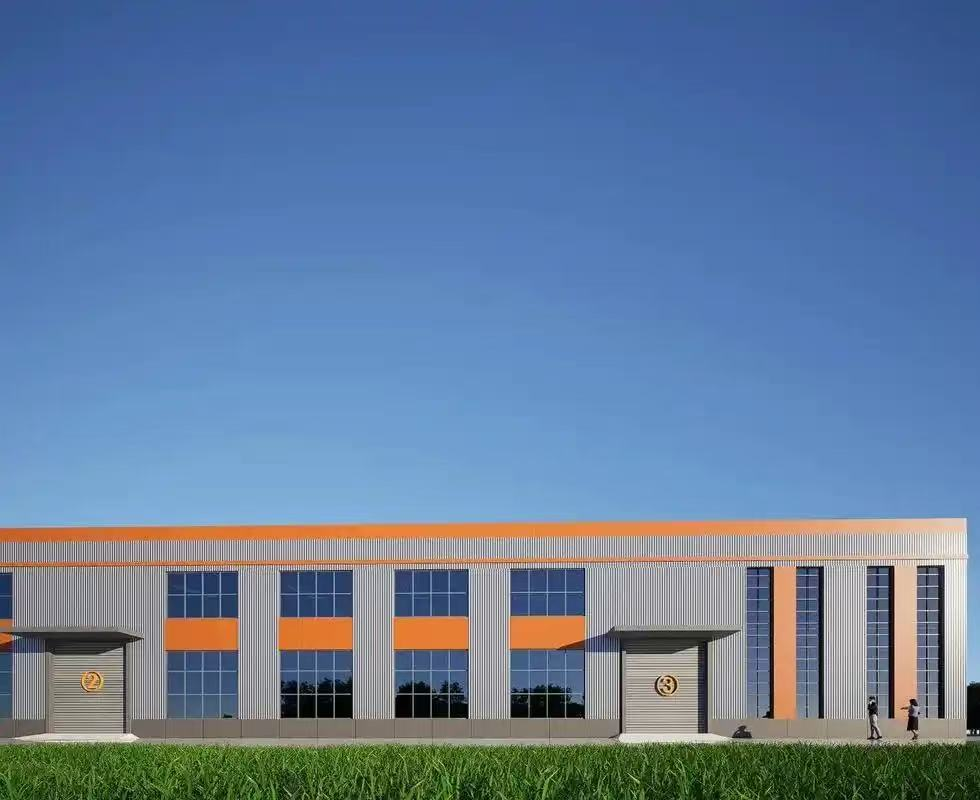
I. Coordination of Overall Space and Exterior Appearance
Influence on the overall layout of the industrial complex:
The building form of the factory should reflect its functional requirements while maintaining consistency with the overall architectural composition of the industrial park and harmonizing with the surrounding environment.
Accurate expression of the building’s characteristics:
The architectural form should align with its intended function, avoiding excessive decoration or design elements that deviate from practical requirements.
Appropriate proportioning of building mass and components:
Well-balanced proportions directly affect both visual comfort and structural efficiency.
Reasonable selection of steel structure materials and structural systems:
The design should balance strength, durability, and construction efficiency while also considering decorative details and color application where appropriate.
II. Fundamental Approaches to Architectural Design
Industrial buildings also follow the general principles of architectural aesthetics. The following are several commonly used and effective design approaches:
1. Unity and Variation
The exterior form of an industrial building should follow the principle of balancing unity and variation. Unity should be achieved through variation, while variation should exist within an overall sense of unity. Only through the integration of both can a distinctive architectural identity and harmonious atmosphere be created.
2. Contrast
Contrast may be expressed through building mass, lines, solid and void relationships, textures, as well as color temperature and intensity. Proper use of contrast can create clear visual hierarchy and enrich the architectural composition while maintaining overall coherence.
3. Harmony
While contrast creates strong visual impact and individuality, harmony allows different architectural elements to complement and unify one another. Successful architecture often combines both contrast and harmony to achieve a balance between character and cohesion.
4. Balance and Stability
Architectural massing can be organized through symmetrical balance or asymmetrical balance, as well as static or dynamic balance. Different approaches create different architectural styles—some conveying grandeur and stability, while others appear light and dynamic—each contributing to a unique architectural character.
III. Relationship Between Building Form and Production Process
A Steel Structure Factory Building is designed to serve production activities, and its spatial composition is closely connected to the internal manufacturing process:
1: Variations in production processes, changes in equipment height, and different equipment layouts naturally create diverse building forms, which not only satisfy functional requirements but also enhance the architectural expression of steel structure buildings.
2: Areas with higher process requirements may be designed with greater height, while areas with lower requirements can be relatively lower, creating a layered and dynamic architectural composition.
3: While meeting production and operational needs, the building composition should also follow general architectural design principles and integrate harmoniously with the surrounding environment.
4: Spatial organization should emphasize key areas and highlight focal points while maintaining a clean and efficient building form. The design should achieve unity within variation and variation within unity, giving industrial buildings stronger architectural character and visual appeal.
IV. Wall Treatment and Facade Design
Wall treatment is developed based on the overall building form and is primarily reflected in the architectural facade. Wall colors, the size and placement of doors and windows, as well as their proportions and arrangement, all directly influence the visual effect of an industrial building.
1: Different factory buildings have different requirements for lighting and ventilation, and the window design directly affects the facade style:
Factory buildings requiring abundant natural lighting should incorporate larger and more frequent windows to create an open and bright appearance;
Enclosed factory buildings requiring air conditioning should minimize window openings and use smaller windows, resulting in larger solid wall surfaces that require more refined facade treatment to achieve a visually appealing effect.
2: Different structural systems also have a significant influence on the building facade:
Frame structures and portal frame systems: Window arrangements are not restricted by load-bearing wall spacing, allowing the use of ribbon windows or glass curtain walls;
Mixed structural systems: Since window openings are constrained by load-bearing wall sections, even if ribbon-window aesthetics are applied externally, the interior still relies on structural walls, limiting the actual window size.
3: To create a clean and visually pleasing facade, the arrangement of window openings and wall sections should follow a consistent pattern. Typically, one standard combination of windows and wall spacing is repeated across the facade to establish rhythm and unity. For longer wall surfaces, periodic variations or highlighted sections may be introduced to create appropriate visual rhythm and emphasis.
The design of a Steel Structure Factory Building is not only a reflection of functionality and efficiency, but also the integration of architectural artistry and engineering technology. Thoughtful massing design, refined facade treatment, and the appropriate balance of contrast and harmony enable industrial buildings to support production needs while also becoming distinctive and visually appealing architectural spaces.
For over 30 years, HB Steel Structure Engineering Co.,Ltd. has specialized in the steel structure industry and successfully completed more than 100 steel structure projects. Through long-term practical experience, we have divided steel structure engineering into three major sectors: raw materials, factory fabrication, and on-site construction. We have also established 182 quality control standards, each exceeding national industry requirements. From material selection and fabrication to transportation and installation, we maintain strict control throughout every stage of the process with close attention to detail. Based on this engineering expertise and quality philosophy, this article explores the key objectives that should be achieved in the design of a Steel Structure Factory Building , with the aim of providing valuable insights for overseas project owners and industry professionals.
I. Coordination of Overall Space and Exterior Appearance
Influence on the overall layout of the industrial complex:
The building form of the factory should reflect its functional requirements while maintaining consistency with the overall architectural composition of the industrial park and harmonizing with the surrounding environment.
Accurate expression of the building’s characteristics:
The architectural form should align with its intended function, avoiding excessive decoration or design elements that deviate from practical requirements.
Appropriate proportioning of building mass and components:
Well-balanced proportions directly affect both visual comfort and structural efficiency.
Reasonable selection of steel structure materials and structural systems:
The design should balance strength, durability, and construction efficiency while also considering decorative details and color application where appropriate.
II. Fundamental Approaches to Architectural Design
Industrial buildings also follow the general principles of architectural aesthetics. The following are several commonly used and effective design approaches:
1. Unity and Variation
The exterior form of an industrial building should follow the principle of balancing unity and variation. Unity should be achieved through variation, while variation should exist within an overall sense of unity. Only through the integration of both can a distinctive architectural identity and harmonious atmosphere be created.
2. Contrast
Contrast may be expressed through building mass, lines, solid and void relationships, textures, as well as color temperature and intensity. Proper use of contrast can create clear visual hierarchy and enrich the architectural composition while maintaining overall coherence.
3. Harmony
While contrast creates strong visual impact and individuality, harmony allows different architectural elements to complement and unify one another. Successful architecture often combines both contrast and harmony to achieve a balance between character and cohesion.
4. Balance and Stability
Architectural massing can be organized through symmetrical balance or asymmetrical balance, as well as static or dynamic balance. Different approaches create different architectural styles—some conveying grandeur and stability, while others appear light and dynamic—each contributing to a unique architectural character.
III. Relationship Between Building Form and Production Process
A Steel Structure Factory Building is designed to serve production activities, and its spatial composition is closely connected to the internal manufacturing process:
1: Variations in production processes, changes in equipment height, and different equipment layouts naturally create diverse building forms, which not only satisfy functional requirements but also enhance the architectural expression of steel structure buildings.
2: Areas with higher process requirements may be designed with greater height, while areas with lower requirements can be relatively lower, creating a layered and dynamic architectural composition.
3: While meeting production and operational needs, the building composition should also follow general architectural design principles and integrate harmoniously with the surrounding environment.
4: Spatial organization should emphasize key areas and highlight focal points while maintaining a clean and efficient building form. The design should achieve unity within variation and variation within unity, giving industrial buildings stronger architectural character and visual appeal.
IV. Wall Treatment and Facade Design
Wall treatment is developed based on the overall building form and is primarily reflected in the architectural facade. Wall colors, the size and placement of doors and windows, as well as their proportions and arrangement, all directly influence the visual effect of an industrial building.
1: Different factory buildings have different requirements for lighting and ventilation, and the window design directly affects the facade style:
Factory buildings requiring abundant natural lighting should incorporate larger and more frequent windows to create an open and bright appearance;
Enclosed factory buildings requiring air conditioning should minimize window openings and use smaller windows, resulting in larger solid wall surfaces that require more refined facade treatment to achieve a visually appealing effect.
2: Different structural systems also have a significant influence on the building facade:
Frame structures and portal frame systems: Window arrangements are not restricted by load-bearing wall spacing, allowing the use of ribbon windows or glass curtain walls;
Mixed structural systems: Since window openings are constrained by load-bearing wall sections, even if ribbon-window aesthetics are applied externally, the interior still relies on structural walls, limiting the actual window size.
3: To create a clean and visually pleasing facade, the arrangement of window openings and wall sections should follow a consistent pattern. Typically, one standard combination of windows and wall spacing is repeated across the facade to establish rhythm and unity. For longer wall surfaces, periodic variations or highlighted sections may be introduced to create appropriate visual rhythm and emphasis.
The design of a Steel Structure Factory Building is not only a reflection of functionality and efficiency, but also the integration of architectural artistry and engineering technology. Thoughtful massing design, refined facade treatment, and the appropriate balance of contrast and harmony enable industrial buildings to support production needs while also becoming distinctive and visually appealing architectural spaces.
Related News
- Complete Steel Structure Factory Production Process Explained
- Common Roof Panel Types for Steel Member Venues
- Design Principles for Steel Member Connections
- Building a Steel Structure Industrial Park
- Steel Structure Warehouses Are an Excellent Storage Solution
- Advantages of Steel Structure Office Buildings

Leave me a message