
 Lietuvių
-
 English
-
 Español
-
 Português
-
 Русский
-
 Français
-
 日本語
日本語
-
 Deutsch
-
 Tiếng Việt
-
 Italiano
-
 Nederlands
-
 ไทย
ไทย
-
 Polski
-
 한국어
한국어
-
 Svenska
-
 Magyar
-
 Bahasa Melayu
-
 বাংলা
বাংলা
-
 Dansk
Dansk
-
 Suomi
Suomi
-
 हिन्दी
-
 Filipino
-
 Türkçe
-
 Gaeilge
-
 العربية
-
 Bahasa Indonesia
-
 Norsk
Norsk
-
 اردو
اردو
-
 Čeština
-
 Ελληνικά
-
 Українська
-
 Basa Jawa
-
 فارسی
فارسی
-
 தமிழ்
தமிழ்
-
 తెలుగు
-
 नेपाली
-
 မြန်မာ
-
 Български
-
 ລາວ
ລາວ
-
 Latina
-
 Қазақша
-
 Euskera
-
 Azərbaycan
-
 Slovenčina
-
 Македонски
-
Lietuvių
-
 Eesti
Eesti
-
 Română
-
 Slovenščina

Įprastos plieninių konstrukcijų įrengimo problemos ir prevencinės priemonės
Plieninės konstrukcijos yra plačiai naudojami šiuolaikiniuose pramoninės ir civilinės statybos projektuose, o montavimo kokybė tiesiogiai veikia konstrukcijų saugumą ir tarnavimo laiką. Tačiau atliekant faktines statybas dažnai iškyla tokių problemų kaip pamato padėties nukrypimai, pažeisti inkaro varžtai, netinkamas tarpiklių montavimas ir per didelės vertikalumo ar aukščio tolerancijos. Jei šios problemos nenustatomos ir greitai neišsprendžiamos, dėl jų gali vėluoti projektai, padidėti sąnaudos ar net rimta rizika saugai.
Įkurta 2003 m. HB Steel Structure Engineering Co., Ltd. nuosekliai laikėsi verslo filosofijos „Savininkų aptarnavimas, projektų aptarnavimas ir operacijų aptarnavimas“ kartu su „į prekės ženklą orientuotos įmonės, į kokybę orientuotų projektų ir į sąžiningumą orientuotų darbuotojų“ valdymo principu. Turėdama brandžią valdymo sistemą, profesionalias projektų komandas ir stiprią techninę patirtį, įmonė klientams teikia išsamias EPC paslaugas, apimančias projektavimą, statybą ir aptarnavimą po pardavimo. Remiantis didele projektų patirtimi, toliau pateikiamos septynios tipiškos plieninių konstrukcijų montavimo problemos, taip pat jų prevencinės ir korekcinės priemonės, skirtos pramonės specialistams visame pasaulyje.
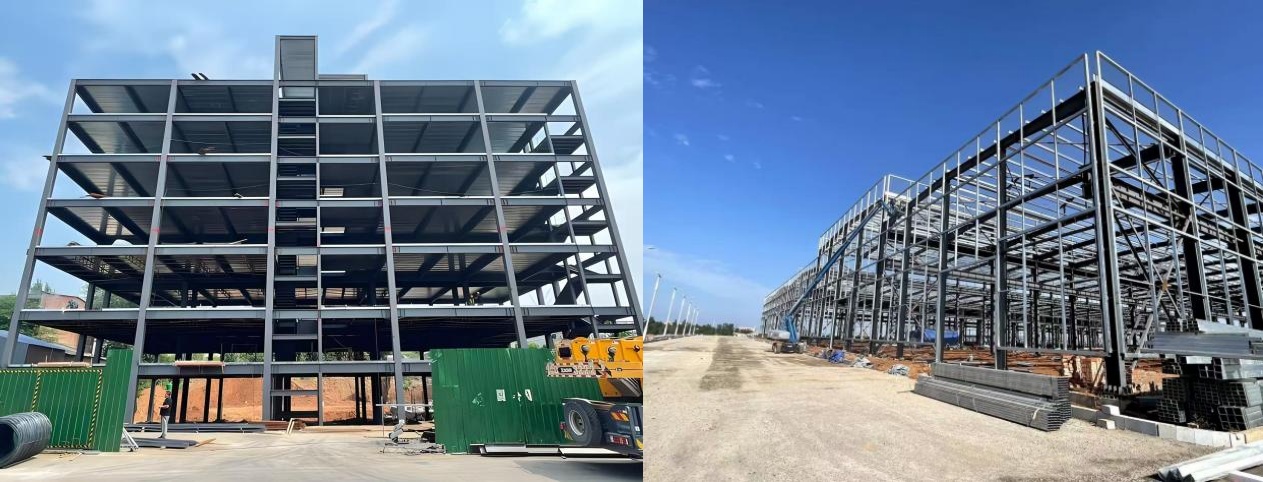
I. Per didelis pamatų padėties ašių ir atraminio paviršiaus aukščio nuokrypis
Plieninių kolonų pamatų padėties ašys ir atraminių paviršių pakilimas viršija standartuose nurodytą leistiną nuokrypį. Dažniausios priežastys – pamatų matavimo valdymo tinklo, išdėstymo ženklinimo ir niveliavimo darbų klaidos; nepakankamas pamatų klojinių tvirtumas, dėl kurio betono liejimo metu arba vibracijos metu atsiranda poslinkis; nekalibruoti matavimo prietaisai, tokie kaip plieninės juostos, teodolitai ir lygiai, sukeliantys sistemines klaidas; klaidingas brėžinių interpretavimas ir netinkamas ašių vietų patikrinimas; neatliktas antrinis glaistymo ir pamato atraminio paviršiaus išlyginimas, dėl kurio susitraukimas ir nusėdimas; ir netinkamos įterptųjų plieninių plokščių arba atramų tvirtinimo priemonės. Tokie nukrypimai tiesiogiai veikia plieninių kolonų montavimo tikslumą ir bendrą konstrukcijos kokybę.
Prevencinės ir korekcinės priemonės:
1. Visi instrumentai ir matavimo įrankiai, naudojami pamatų žvalgybai, išdėstymo ženklinimui ir niveliavimui, turi būti patikimai tikslūs ir prieš naudojimą turi būti sukalibruoti arba patikrinti įgaliotų metrologijos agentūrų, kad būtų išvengta kaupiamųjų klaidų.
2. Pamatų klojiniai turi būti pakankamai tvirti ir standūs. Betonuojant reikia vengti smūgių į klojinius. Pilant reikia reguliariai tikrinti padėties ašis ir pakilimus, o aptikus nukrypimų darbus nedelsiant nutraukti. Prieš galutinį kietėjimą betono paviršius turi būti išlygintas ir išlygintas. Įterptosios plieninės plokštės arba atramos taip pat turi būti antriškai patikrintos ir pritvirtintos specialiais tvirtinimo įtaisais.
3. Jei nuokrypis nedidelis, montuojant plieninę koloną galima koreguoti perkeliant kolonos pagrindą, padidinant varžtų skylutes arba įdedant tarpines plokštes. Jei nukrypimas yra didelis ir jo negalima ištaisyti vietoje, prieš tęsiant projektavimo, priežiūros ir statybos šalys turėtų kartu parengti koregavimo planą.
II. Inkaro varžtų sriegių pažeidimai
Pažeisti inkaro varžtų sriegiai gali trukdyti tinkamai priveržti veržles montuojant plieninę koloną. Dažniausios priežastys yra smūgio pažeidimai transportavimo ir iškrovimo metu, didelė korozija, atsiradusi dėl netinkamo laikymo, apsauginių priemonių trūkumas po įdėjimo, lanko nudegimai, atsirandantys naudojant varžtus kaip suvirinimo įžeminimo jungtis, arba netinkamas varžtų naudojimas kaip tvirtinimo taškai traukiant lynus. Pažeisti sriegiai tiesiogiai veikia tvirtinimo našumą ir sumažina konstrukcijos apkrovos perdavimo pajėgumą bei stabilumą.
Prevencinės ir korekcinės priemonės:
1. Transportavimo ir iškrovimo metu siūlų apsauga turėtų būti sustiprinta užtepus pramoniniu vazelinu ir prieš atskirą sandėliavimą apvyniojant siūlus plastikine plėvele, kad būtų išvengta susidūrimo su kitais komponentais.
2. Įdėjus, inkaro varžtai negali būti naudojami kaip lenkimo atramos, suvirinimo įžeminimo jungtys ar laikančiosios vietos lynams traukti. Kėlimo operacijų metu taip pat reikėtų vengti šoninio smūgio.
3. Jei pažeisto sriegio ilgis neviršija efektyvaus sriegio ilgio, sriegius galima taisyti plienine dilde. Jei pažeidimas viršija veiksmingą ilgį, pažeista dalis gali būti pašalinta ir pakeista naujai apdirbta sriegine dalimi iš tos pačios medžiagos ir specifikacijos, suvirinta į vietą ir sustiprinta plienine mova. Jei suremontuotas varžto skersmuo viršija pagrindo plokštės angos skersmenį, skylę galima atitinkamai padidinti.
III. Netinkamas stulpelio pagrindo skiedinio tarpiklio plokščių montavimas
Po kolonų pagrindais sumontuotos tarpinės plokštės kartais dedamos savavališkai, o pakilimai, lygis ir padėtis neatitinka projektavimo ir specifikacijų reikalavimų. Priežastys yra nesugebėjimas išlyginti pamato paviršiaus prieš dedant tarpines plokštes, dėl ko apkrova pasiskirsto netolygiai, ir netinkamas tarpiklių plokščių išdėstymas, dėl kurio pagrindo plokštė, tarpiklių plokštės ir pamatai negali tolygiai pasidalyti apkrovomis. Netinkamai sumontavus tarpines plokštes, gali sumažėti plieninių kolonų laikančiosios savybės ir pakenkti viršutinės konstrukcijos stabilumui.
Prevencinės ir korekcinės priemonės:
1. Tvirtinimo plokštės ir pamato paviršius turi būti sandariai suklijuoti per glaistą. Prieš montuojant nelygius pamatų paviršius reikia nuskaldyti ir išlyginti.
2. Apsauginės plokštės turi būti išdėstytos atsižvelgiant į kolonos pagrindo plokštės apkrovos pasiskirstymą, paprastai po pagrindinės plokštės centru ir šalia koncentruotų apkrovos zonų arba inkaro varžtų, užtikrinant vienodą apkrovos perdavimą ir išvengiant vietinių įtempių koncentracijų.
3. Tarpinių plokščių plotas turi būti nustatytas skaičiuojant. Tarpinės plokštės paprastai derinamos 4–25 mm storio diapazone, vienoje grupėje ne daugiau kaip trys plokštės. Skiedinio pagrindo tarpiklio plokštės paprastai gaminamos iš 10–12 mm storio, 100–300 mm ilgio ir 50–120 mm pločio plieninių plokščių. Injektavimui turi būti naudojamas nesusitraukiantis cemento skiedinys, kurio gniuždymo stipris ne mažesnis kaip 30 MPa. Aukštis ir lygis turi būti kruopščiai kontroliuojami laikantis specifikacijų leistinų nuokrypių. Prieš glaistymą reikia pašalinti rūdis, alyvą ir atplaišas. Sumontavus, tarpiklio plokštės mazgas turi išsikišti maždaug 10-20 mm už pagrindo plokštės krašto.
IV. Pamatų neapžiūrėjimas prieš montuojant plieninę koloną
Kai kuriais atvejais plieninės kolonos įrengiamos prieš tai nepatikrinus pamatų ašių, pakilimų, inkaro varžtų vietos, pakilimų ir betono kokybės. Dėl to per dideli nukrypimai gali likti nepataisyti, todėl gali kilti įrengimo sunkumų, padidėti montavimo įtempiai, sumažėti tikslumas ir paslėpta kokybės rizika.
Prevencinės priemonės:
Prieš montuojant plienines kolonas, turi būti kruopščiai patikrintos pastato padėties valdymo linijos, pamatų ašys, pakilimai, inkaro varžtų vietos, pakilimai ir pamatų betono kokybė. Bet kokie nuokrypiai, viršijantys leistinas nuokrypas, turi būti pataisyti prieš montavimą. Patikrinimas aukštyje turėtų apimti išmatuotų duomenų ir iš anksto patikrintų plieninių kolonų matmenų ir aukščių palyginimą. Klaidos turėtų būti pašalintos sureguliavus skiedinio pagrindo tarpiklių plokštes arba inkaro varžtų veržles. Leistini pamatų atraminių paviršių, inkaro varžtų padėčių ir tarpiklių plokščių įrengimo nuokrypiai turi atitikti atitinkamas specifikacijas. Bet kokie betono kokybės trūkumai turi būti tvarkomi laikantis taisyklių.
V. Plieninių komponentų matmenų, deformacijų ir kokybės defektų nepatikrinimas prieš montuojant
Prieš montuojant konstrukciją, kai kuriuose projektuose nepavyksta patikrinti plieninių komponentų matmenų arba pašalinti deformacijos ir kokybės trūkumus. Nors komponentai yra tikrinami prieš išvežant iš gamyklos, gali atsirasti gedimų, o transportuojant ir sandėliuojant gali atsirasti papildomų deformacijų ar pažeidimų. Jei prieš montuojant šios problemos nenustatytos, jos gali turėti įtakos konstrukcijos kokybei ir netgi sukelti nuolatinius defektus.
Prevencinės priemonės:
Plieninės dalys turi būti kruopščiai iš anksto patikrintos prieš montuojant. Tikrinimo elementai turėtų apimti komponentų modelių ir kiekių patikrinimą; išorinių matmenų ir susijusių matmenų tarp guolių paviršių ir montavimo angų tikrinimas; komponento ašies atskaitos linijų žymėjimas; deformacijų tikrinimas ir defektų taisymas; jungiamųjų plokščių, sujungimo plokščių ir priedų išsamumo ir matmenų tikslumo tikrinimas; tikrinti suvirinimo zonos paviršiaus kokybę ir didelio stiprumo varžtinių jungčių trinties paviršius; jungties mazgų užbaigtumo patvirtinimas ir pagrindinių komponentų svorio centro žymėjimas; ir patikrinti, ar komponentų paviršiuose nėra užteršimo ar dažų pažeidimų. Patikrinimo įrašai turi būti saugomi. Sudedamosios dalys, kurių deformacija arba defektai viršija leistinus nuokrypius, turi būti suremontuoti ir pataisyti ant žemės prieš pakėlimą ir montavimą.
VI. Per didelis plieninės kolonos vertikalumo nuokrypis
Plieninių kolonų vertikalumo nuokrypis viršija projektinius arba specifikacijos leistinus nuokrypius. Priežastys yra netinkama deformacijų kontrolė gamybos ir suvirinimo metu, nekoreguota lenkimo deformacija, nepakankamas ilgų kolonų standumas, sukeliantis elastinę arba plastinę deformaciją veikiant išorinėms jėgoms, nepagrįstos kėlimo procedūros ar stogo plokščių montavimo sekos ir priverstinės jungtys, kurias sukelia stogo santvaros tarpatramio nuokrypiai. Per didelis vertikalumo nuokrypis turi įtakos konstrukcijos apkrovos perdavimui ir stabilumui.
Prevencinės ir korekcinės priemonės:
1. Plieninės kolonos surinkimo ir suvirinimo metu turi būti taikomos deformacijos kontrolės priemonės, o bet kokia deformacija turi būti nedelsiant ištaisyta. Transportuojant ir sandėliuojant turi būti naudojami tinkami atramos taškai, kad būtų išvengta savaiminio svorio lenkimo. Ilgų kolonų kėlimo taškai paprastai turi būti maždaug dviem trečdaliais kolonos ilgio. Stogo santvaros tarpatramio nuokrypiai turi būti pataisyti prieš montuodami, kad būtų išvengta priverstinio surinkimo.
2. Nustatant padėtį, kolonos pagrindo plokštės išilginė ir skersinė ašys turi tiksliai sutapti su pamatų ašimis, kad būtų išvengta kolonos išlinkimo dėl tarpatramio nuokrypio.
3. Sujungus plienines kolonas ir stogo santvaras, stogo plokštes reikia montuoti simetriškai nuo viršutinės stygos centro į abi puses, kad būtų išvengta netolygios apkrovos. Be projekto patvirtinimo, plieninės kolonos negali būti naudojamos kaip tvirtinimo taškai, skirti horizontaliai traukti arba vertikaliai kelti sunkius komponentus.
4. Jau sumontuotoms kolonoms su dideliu vertikalumo nuokrypiu, pašalinus išorines jėgas, elastinė deformacija gali atsigauti. Plastinė deformacija gali būti koreguojama pridedant laikinąsias atramas virš lenktos dalies, pritvirtinant šoninės reakcijos rėmą lenkimo vietoje ir naudojant hidraulinius kėliklius tiesinimui. Didelio standumo kolonoms, atliekant kėliklio korekciją, išgaubtąją išlenktos srities pusę galima šildyti deguonies-acetileno liepsna.
VII. Per didelis plieninės kolonos aukščio nuokrypis
Sumontavus plieninių kolonų pakilimo arba santykinio aukščio padėtis gali viršyti leistinus nuokrypius, todėl bendras kolonų aukštis arba kronšteino aukščiai gali būti nenuoseklūs. Dažniausios priežastys yra neteisingas pamatų pakėlimas, gamybos matmenų nukrypimai plieninėse kolonose ir nesugebėjimas derinti pamato aukščio reguliavimo su faktiniais plieninių kolonų matmenimis montuojant. Aukščio nuokrypiai sukelia didelių sunkumų montuojant ir išlyginant sujungtas konstrukcines dalis, todėl taisymas užima daug laiko ir pastangų.
Prevencinės ir korekcinės priemonės:
1. Statant pamatą, paaukštinimai turi būti griežtai kontroliuojami ir visapusiškai koreguojami atsižvelgiant į faktinį plieninių kolonų ilgį arba kronšteino atraminių paviršių aukščio matmenis, kad būtų užtikrintas nuoseklus įrengimo aukštis.
2. Gamybos metu bendras plieninių kolonų ilgis ir matmenys turi būti griežtai kontroliuojami, kad būtų išvengta teigiamų paklaidų kaupimosi. Kolonoms be sandūrų, gamybos procese pirmiausia gali būti suvirintas kolonos korpusas, laikinai paliekant nesuvirintas pagrindo plokštes ir gaubto plokštes. Jei nustatomi ilgio nuokrypiai, prieš galutinį pagrindo arba dangtelio plokštės suvirinimą galima atlikti koregavimus.
Plieninių konstrukcijų montavimas yra sistemingas inžinerinis procesas, kurio aplaidumas bet kuriame etape gali turėti negrįžtamų padarinių galutinei konstrukcijos kokybei. Pirmiau apibendrintos septynios problemos yra dažnos statybvietėse, tačiau jų prevencinės priemonės yra paprastos. Svarbiausia yra nustatyti griežtą išankstinės kokybės kontrolės supratimą: matavimo prietaisai turi būti sukalibruoti, skirti pakankamai laiko antriniam pamatų išlyginimui, atvežus kiekvieną komponentą reikia dar kartą patikrinti, kėlimo procedūros turi būti moksliškai suplanuotos, o priverstinis surinkimas ar netinkamas inkaro varžtų naudojimas turi būti griežtai draudžiamas.
Praktinė patirtis parodė, kad kokybės kontrolės įgyvendinimas prieš pradedant montavimą yra daug ekonomiškesnis ir patikimesnis nei koregavimo darbų atlikimas po to. Tikimasi, kad šiame straipsnyje apibendrinta patirtis ir praktika suteiks vertingų patarimų tarptautiniams profesionalams, užsiimantiems plieninių konstrukcijų projektavimu, statyba ir projektų valdymu, padėsianti sumažinti panašių problemų pasikartojimą ir kartu pagerinti plieno konstrukcijų inžinerijos saugumą ir konstrukcijų kokybę visame pasaulyje.
Įkurta 2003 m. HB Steel Structure Engineering Co., Ltd. nuosekliai laikėsi verslo filosofijos „Savininkų aptarnavimas, projektų aptarnavimas ir operacijų aptarnavimas“ kartu su „į prekės ženklą orientuotos įmonės, į kokybę orientuotų projektų ir į sąžiningumą orientuotų darbuotojų“ valdymo principu. Turėdama brandžią valdymo sistemą, profesionalias projektų komandas ir stiprią techninę patirtį, įmonė klientams teikia išsamias EPC paslaugas, apimančias projektavimą, statybą ir aptarnavimą po pardavimo. Remiantis didele projektų patirtimi, toliau pateikiamos septynios tipiškos plieninių konstrukcijų montavimo problemos, taip pat jų prevencinės ir korekcinės priemonės, skirtos pramonės specialistams visame pasaulyje.
I. Per didelis pamatų padėties ašių ir atraminio paviršiaus aukščio nuokrypis
Plieninių kolonų pamatų padėties ašys ir atraminių paviršių pakilimas viršija standartuose nurodytą leistiną nuokrypį. Dažniausios priežastys – pamatų matavimo valdymo tinklo, išdėstymo ženklinimo ir niveliavimo darbų klaidos; nepakankamas pamatų klojinių tvirtumas, dėl kurio betono liejimo metu arba vibracijos metu atsiranda poslinkis; nekalibruoti matavimo prietaisai, tokie kaip plieninės juostos, teodolitai ir lygiai, sukeliantys sistemines klaidas; klaidingas brėžinių interpretavimas ir netinkamas ašių vietų patikrinimas; neatliktas antrinis glaistymo ir pamato atraminio paviršiaus išlyginimas, dėl kurio susitraukimas ir nusėdimas; ir netinkamos įterptųjų plieninių plokščių arba atramų tvirtinimo priemonės. Tokie nukrypimai tiesiogiai veikia plieninių kolonų montavimo tikslumą ir bendrą konstrukcijos kokybę.
Prevencinės ir korekcinės priemonės:
1. Visi instrumentai ir matavimo įrankiai, naudojami pamatų žvalgybai, išdėstymo ženklinimui ir niveliavimui, turi būti patikimai tikslūs ir prieš naudojimą turi būti sukalibruoti arba patikrinti įgaliotų metrologijos agentūrų, kad būtų išvengta kaupiamųjų klaidų.
2. Pamatų klojiniai turi būti pakankamai tvirti ir standūs. Betonuojant reikia vengti smūgių į klojinius. Pilant reikia reguliariai tikrinti padėties ašis ir pakilimus, o aptikus nukrypimų darbus nedelsiant nutraukti. Prieš galutinį kietėjimą betono paviršius turi būti išlygintas ir išlygintas. Įterptosios plieninės plokštės arba atramos taip pat turi būti antriškai patikrintos ir pritvirtintos specialiais tvirtinimo įtaisais.
3. Jei nuokrypis nedidelis, montuojant plieninę koloną galima koreguoti perkeliant kolonos pagrindą, padidinant varžtų skylutes arba įdedant tarpines plokštes. Jei nukrypimas yra didelis ir jo negalima ištaisyti vietoje, prieš tęsiant projektavimo, priežiūros ir statybos šalys turėtų kartu parengti koregavimo planą.
II. Inkaro varžtų sriegių pažeidimai
Pažeisti inkaro varžtų sriegiai gali trukdyti tinkamai priveržti veržles montuojant plieninę koloną. Dažniausios priežastys yra smūgio pažeidimai transportavimo ir iškrovimo metu, didelė korozija, atsiradusi dėl netinkamo laikymo, apsauginių priemonių trūkumas po įdėjimo, lanko nudegimai, atsirandantys naudojant varžtus kaip suvirinimo įžeminimo jungtis, arba netinkamas varžtų naudojimas kaip tvirtinimo taškai traukiant lynus. Pažeisti sriegiai tiesiogiai veikia tvirtinimo našumą ir sumažina konstrukcijos apkrovos perdavimo pajėgumą bei stabilumą.
Prevencinės ir korekcinės priemonės:
1. Transportavimo ir iškrovimo metu siūlų apsauga turėtų būti sustiprinta užtepus pramoniniu vazelinu ir prieš atskirą sandėliavimą apvyniojant siūlus plastikine plėvele, kad būtų išvengta susidūrimo su kitais komponentais.
2. Įdėjus, inkaro varžtai negali būti naudojami kaip lenkimo atramos, suvirinimo įžeminimo jungtys ar laikančiosios vietos lynams traukti. Kėlimo operacijų metu taip pat reikėtų vengti šoninio smūgio.
3. Jei pažeisto sriegio ilgis neviršija efektyvaus sriegio ilgio, sriegius galima taisyti plienine dilde. Jei pažeidimas viršija veiksmingą ilgį, pažeista dalis gali būti pašalinta ir pakeista naujai apdirbta sriegine dalimi iš tos pačios medžiagos ir specifikacijos, suvirinta į vietą ir sustiprinta plienine mova. Jei suremontuotas varžto skersmuo viršija pagrindo plokštės angos skersmenį, skylę galima atitinkamai padidinti.
III. Netinkamas stulpelio pagrindo skiedinio tarpiklio plokščių montavimas
Po kolonų pagrindais sumontuotos tarpinės plokštės kartais dedamos savavališkai, o pakilimai, lygis ir padėtis neatitinka projektavimo ir specifikacijų reikalavimų. Priežastys yra nesugebėjimas išlyginti pamato paviršiaus prieš dedant tarpines plokštes, dėl ko apkrova pasiskirsto netolygiai, ir netinkamas tarpiklių plokščių išdėstymas, dėl kurio pagrindo plokštė, tarpiklių plokštės ir pamatai negali tolygiai pasidalyti apkrovomis. Netinkamai sumontavus tarpines plokštes, gali sumažėti plieninių kolonų laikančiosios savybės ir pakenkti viršutinės konstrukcijos stabilumui.
Prevencinės ir korekcinės priemonės:
1. Tvirtinimo plokštės ir pamato paviršius turi būti sandariai suklijuoti per glaistą. Prieš montuojant nelygius pamatų paviršius reikia nuskaldyti ir išlyginti.
2. Apsauginės plokštės turi būti išdėstytos atsižvelgiant į kolonos pagrindo plokštės apkrovos pasiskirstymą, paprastai po pagrindinės plokštės centru ir šalia koncentruotų apkrovos zonų arba inkaro varžtų, užtikrinant vienodą apkrovos perdavimą ir išvengiant vietinių įtempių koncentracijų.
3. Tarpinių plokščių plotas turi būti nustatytas skaičiuojant. Tarpinės plokštės paprastai derinamos 4–25 mm storio diapazone, vienoje grupėje ne daugiau kaip trys plokštės. Skiedinio pagrindo tarpiklio plokštės paprastai gaminamos iš 10–12 mm storio, 100–300 mm ilgio ir 50–120 mm pločio plieninių plokščių. Injektavimui turi būti naudojamas nesusitraukiantis cemento skiedinys, kurio gniuždymo stipris ne mažesnis kaip 30 MPa. Aukštis ir lygis turi būti kruopščiai kontroliuojami laikantis specifikacijų leistinų nuokrypių. Prieš glaistymą reikia pašalinti rūdis, alyvą ir atplaišas. Sumontavus, tarpiklio plokštės mazgas turi išsikišti maždaug 10-20 mm už pagrindo plokštės krašto.
IV. Pamatų neapžiūrėjimas prieš montuojant plieninę koloną
Kai kuriais atvejais plieninės kolonos įrengiamos prieš tai nepatikrinus pamatų ašių, pakilimų, inkaro varžtų vietos, pakilimų ir betono kokybės. Dėl to per dideli nukrypimai gali likti nepataisyti, todėl gali kilti įrengimo sunkumų, padidėti montavimo įtempiai, sumažėti tikslumas ir paslėpta kokybės rizika.
Prevencinės priemonės:
Prieš montuojant plienines kolonas, turi būti kruopščiai patikrintos pastato padėties valdymo linijos, pamatų ašys, pakilimai, inkaro varžtų vietos, pakilimai ir pamatų betono kokybė. Bet kokie nuokrypiai, viršijantys leistinas nuokrypas, turi būti pataisyti prieš montavimą. Patikrinimas aukštyje turėtų apimti išmatuotų duomenų ir iš anksto patikrintų plieninių kolonų matmenų ir aukščių palyginimą. Klaidos turėtų būti pašalintos sureguliavus skiedinio pagrindo tarpiklių plokštes arba inkaro varžtų veržles. Leistini pamatų atraminių paviršių, inkaro varžtų padėčių ir tarpiklių plokščių įrengimo nuokrypiai turi atitikti atitinkamas specifikacijas. Bet kokie betono kokybės trūkumai turi būti tvarkomi laikantis taisyklių.
V. Plieninių komponentų matmenų, deformacijų ir kokybės defektų nepatikrinimas prieš montuojant
Prieš montuojant konstrukciją, kai kuriuose projektuose nepavyksta patikrinti plieninių komponentų matmenų arba pašalinti deformacijos ir kokybės trūkumus. Nors komponentai yra tikrinami prieš išvežant iš gamyklos, gali atsirasti gedimų, o transportuojant ir sandėliuojant gali atsirasti papildomų deformacijų ar pažeidimų. Jei prieš montuojant šios problemos nenustatytos, jos gali turėti įtakos konstrukcijos kokybei ir netgi sukelti nuolatinius defektus.
Prevencinės priemonės:
Plieninės dalys turi būti kruopščiai iš anksto patikrintos prieš montuojant. Tikrinimo elementai turėtų apimti komponentų modelių ir kiekių patikrinimą; išorinių matmenų ir susijusių matmenų tarp guolių paviršių ir montavimo angų tikrinimas; komponento ašies atskaitos linijų žymėjimas; deformacijų tikrinimas ir defektų taisymas; jungiamųjų plokščių, sujungimo plokščių ir priedų išsamumo ir matmenų tikslumo tikrinimas; tikrinti suvirinimo zonos paviršiaus kokybę ir didelio stiprumo varžtinių jungčių trinties paviršius; jungties mazgų užbaigtumo patvirtinimas ir pagrindinių komponentų svorio centro žymėjimas; ir patikrinti, ar komponentų paviršiuose nėra užteršimo ar dažų pažeidimų. Patikrinimo įrašai turi būti saugomi. Sudedamosios dalys, kurių deformacija arba defektai viršija leistinus nuokrypius, turi būti suremontuoti ir pataisyti ant žemės prieš pakėlimą ir montavimą.
VI. Per didelis plieninės kolonos vertikalumo nuokrypis
Plieninių kolonų vertikalumo nuokrypis viršija projektinius arba specifikacijos leistinus nuokrypius. Priežastys yra netinkama deformacijų kontrolė gamybos ir suvirinimo metu, nekoreguota lenkimo deformacija, nepakankamas ilgų kolonų standumas, sukeliantis elastinę arba plastinę deformaciją veikiant išorinėms jėgoms, nepagrįstos kėlimo procedūros ar stogo plokščių montavimo sekos ir priverstinės jungtys, kurias sukelia stogo santvaros tarpatramio nuokrypiai. Per didelis vertikalumo nuokrypis turi įtakos konstrukcijos apkrovos perdavimui ir stabilumui.
Prevencinės ir korekcinės priemonės:
1. Plieninės kolonos surinkimo ir suvirinimo metu turi būti taikomos deformacijos kontrolės priemonės, o bet kokia deformacija turi būti nedelsiant ištaisyta. Transportuojant ir sandėliuojant turi būti naudojami tinkami atramos taškai, kad būtų išvengta savaiminio svorio lenkimo. Ilgų kolonų kėlimo taškai paprastai turi būti maždaug dviem trečdaliais kolonos ilgio. Stogo santvaros tarpatramio nuokrypiai turi būti pataisyti prieš montuodami, kad būtų išvengta priverstinio surinkimo.
2. Nustatant padėtį, kolonos pagrindo plokštės išilginė ir skersinė ašys turi tiksliai sutapti su pamatų ašimis, kad būtų išvengta kolonos išlinkimo dėl tarpatramio nuokrypio.
3. Sujungus plienines kolonas ir stogo santvaras, stogo plokštes reikia montuoti simetriškai nuo viršutinės stygos centro į abi puses, kad būtų išvengta netolygios apkrovos. Be projekto patvirtinimo, plieninės kolonos negali būti naudojamos kaip tvirtinimo taškai, skirti horizontaliai traukti arba vertikaliai kelti sunkius komponentus.
4. Jau sumontuotoms kolonoms su dideliu vertikalumo nuokrypiu, pašalinus išorines jėgas, elastinė deformacija gali atsigauti. Plastinė deformacija gali būti koreguojama pridedant laikinąsias atramas virš lenktos dalies, pritvirtinant šoninės reakcijos rėmą lenkimo vietoje ir naudojant hidraulinius kėliklius tiesinimui. Didelio standumo kolonoms, atliekant kėliklio korekciją, išgaubtąją išlenktos srities pusę galima šildyti deguonies-acetileno liepsna.
VII. Per didelis plieninės kolonos aukščio nuokrypis
Sumontavus plieninių kolonų pakilimo arba santykinio aukščio padėtis gali viršyti leistinus nuokrypius, todėl bendras kolonų aukštis arba kronšteino aukščiai gali būti nenuoseklūs. Dažniausios priežastys yra neteisingas pamatų pakėlimas, gamybos matmenų nukrypimai plieninėse kolonose ir nesugebėjimas derinti pamato aukščio reguliavimo su faktiniais plieninių kolonų matmenimis montuojant. Aukščio nuokrypiai sukelia didelių sunkumų montuojant ir išlyginant sujungtas konstrukcines dalis, todėl taisymas užima daug laiko ir pastangų.
Prevencinės ir korekcinės priemonės:
1. Statant pamatą, paaukštinimai turi būti griežtai kontroliuojami ir visapusiškai koreguojami atsižvelgiant į faktinį plieninių kolonų ilgį arba kronšteino atraminių paviršių aukščio matmenis, kad būtų užtikrintas nuoseklus įrengimo aukštis.
2. Gamybos metu bendras plieninių kolonų ilgis ir matmenys turi būti griežtai kontroliuojami, kad būtų išvengta teigiamų paklaidų kaupimosi. Kolonoms be sandūrų, gamybos procese pirmiausia gali būti suvirintas kolonos korpusas, laikinai paliekant nesuvirintas pagrindo plokštes ir gaubto plokštes. Jei nustatomi ilgio nuokrypiai, prieš galutinį pagrindo arba dangtelio plokštės suvirinimą galima atlikti koregavimus.
Plieninių konstrukcijų montavimas yra sistemingas inžinerinis procesas, kurio aplaidumas bet kuriame etape gali turėti negrįžtamų padarinių galutinei konstrukcijos kokybei. Pirmiau apibendrintos septynios problemos yra dažnos statybvietėse, tačiau jų prevencinės priemonės yra paprastos. Svarbiausia yra nustatyti griežtą išankstinės kokybės kontrolės supratimą: matavimo prietaisai turi būti sukalibruoti, skirti pakankamai laiko antriniam pamatų išlyginimui, atvežus kiekvieną komponentą reikia dar kartą patikrinti, kėlimo procedūros turi būti moksliškai suplanuotos, o priverstinis surinkimas ar netinkamas inkaro varžtų naudojimas turi būti griežtai draudžiamas.
Praktinė patirtis parodė, kad kokybės kontrolės įgyvendinimas prieš pradedant montavimą yra daug ekonomiškesnis ir patikimesnis nei koregavimo darbų atlikimas po to. Tikimasi, kad šiame straipsnyje apibendrinta patirtis ir praktika suteiks vertingų patarimų tarptautiniams profesionalams, užsiimantiems plieninių konstrukcijų projektavimu, statyba ir projektų valdymu, padėsianti sumažinti panašių problemų pasikartojimą ir kartu pagerinti plieno konstrukcijų inžinerijos saugumą ir konstrukcijų kokybę visame pasaulyje.
Related News
- Plieninių elementų gamybos ir kokybės kontrolės standartai
- Plieninės konstrukcijos konteinerių namai: pirmaujanti pasaulinė surenkamųjų statybų tendencija
- Stipraus plieno konstrukcijų gamybos įmonės plėtros pagrindo kūrimas
- Plieninės konstrukcijos koncertų salė: ilgalaikiai statybos pranašumai aukščiausios kokybės scenos menų salėms
- Plieninių konstrukcijų pastatų vandeniui atspari sistema: patvarios apsaugos nuo vandens pažeidimų kūrimas
- Plieninių konstrukcijų gamyklos pastato kolonų pagrindo projektavimas: tvirto pagrindo pramoninėms konstrukcijoms kūrimas




Leave me a message