
 English
-
English
-
 Español
-
 Português
-
 Русский
-
 Français
-
 日本語
日本語
-
 Deutsch
-
 Tiếng Việt
-
 Italiano
-
 Nederlands
-
 ไทย
ไทย
-
 Polski
-
 한국어
한국어
-
 Svenska
-
 Magyar
-
 Bahasa Melayu
-
 বাংলা
বাংলা
-
 Dansk
Dansk
-
 Suomi
Suomi
-
 हिन्दी
-
 Filipino
-
 Türkçe
-
 Gaeilge
-
 العربية
-
 Bahasa Indonesia
-
 Norsk
Norsk
-
 اردو
اردو
-
 Čeština
-
 Ελληνικά
-
 Українська
-
 Basa Jawa
-
 فارسی
فارسی
-
 தமிழ்
தமிழ்
-
 తెలుగు
-
 नेपाली
-
 မြန်မာ
-
 Български
-
 ລາວ
ລາວ
-
 Latina
-
 Қазақша
-
 Euskera
-
 Azərbaycan
-
 Slovenčina
-
 Македонски
-
 Lietuvių
-
 Eesti
Eesti
-
 Română
-
 Slovenščina

Exploring the Design and Construction Features of a Steel Structure Museum
Modern museums demand high standards in architectural aesthetics, spatial planning, structural safety, and long-term durability. Compared with traditional concrete buildings, steel structures offer greater design flexibility, lighter structural weight, and superior long-span performance, making them ideal for creating complex architectural forms. As a result, steel structures have become one of the preferred construction solutions for museums and cultural buildings worldwide.
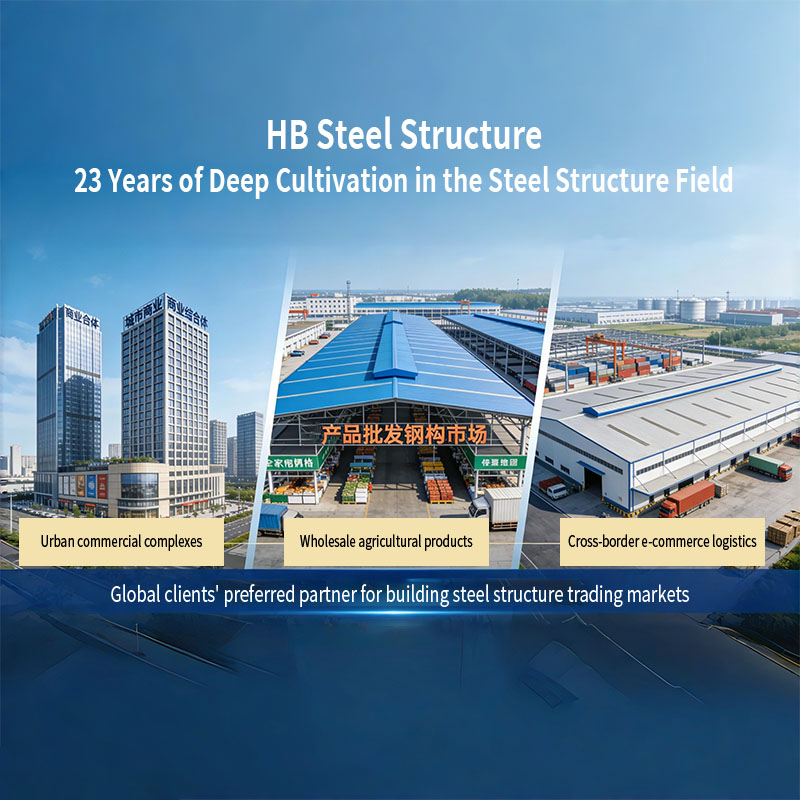
HB Steel Structure specializes in large-span and architecturally complex public steel structure projects, backed by 23 years of industry experience.
With a comprehensive quality management system, an experienced engineering team, and extensive expertise in steel component fabrication, HB Steel Structure is committed to delivering high-quality manufacturing solutions. Serving clients around the world, we provide one-stop services for museums, art galleries, and other public projects, including structural optimization, detailed engineering design, and custom steel component fabrication. This article provides an overview of the key design characteristics and construction advantages of a Steel Structure Museum .
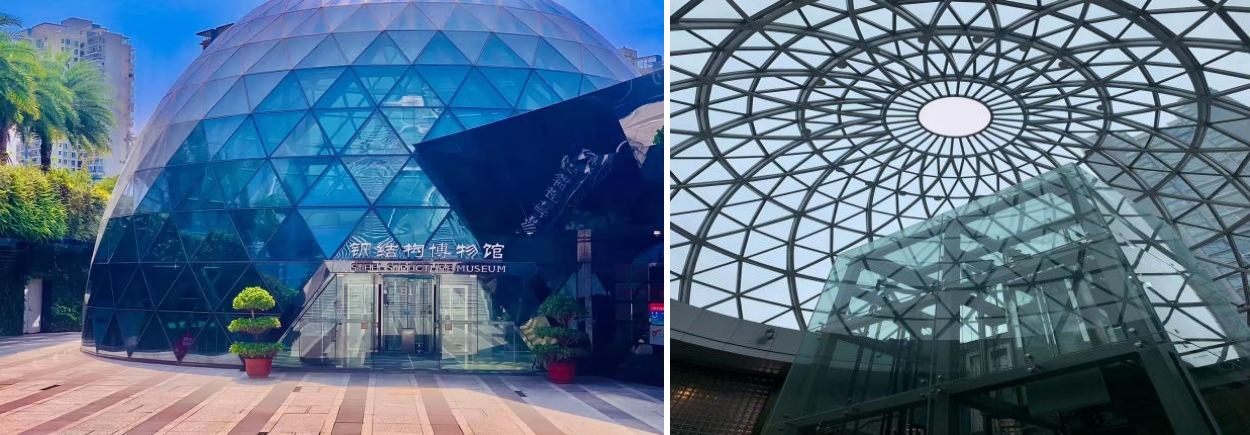
I. Exceptional Design Flexibility for Diverse Architectural Forms
Traditional concrete construction is often limited by its construction methods, making it difficult to achieve the distinctive architectural designs expected of modern museums. Steel structures, with their high strength and lightweight properties, make it possible to create complex architectural features such as curved cantilevers, arched roofs, and irregular façades.
In addition, steel structures allow for expansive column-free spaces, giving architects greater freedom to create landmark buildings with unique visual identities. Interior spaces can also be flexibly organized into exhibition halls, collection storage areas, and multifunctional spaces, accommodating a wide range of museum layouts and operational needs.
II. Large-Span Interior Spaces for Diverse Exhibition Requirements
Museums require spacious and unobstructed interiors to accommodate exhibitions, educational programs, and cultural events. Thanks to their outstanding structural performance, steel structures can significantly reduce the need for interior columns, creating large open-plan spaces with maximum flexibility.
The interior layout can be easily adapted to different exhibition themes and changing operational requirements. Combined with carefully designed daylighting systems, these open spaces enhance both visitor experience and functional efficiency, making steel structures particularly well suited to modern museum environments.
III. Optimized Material Selection for Collection Preservation
Museum collections require highly controlled environments with strict standards for structural stability, temperature regulation, humidity control, and building airtightness. Material selection should take local climate conditions into consideration, with priority given to corrosion-resistant, high-toughness structural steel.
For sensitive areas such as collection storage rooms, connection details should be carefully engineered and integrated with high-performance enclosure systems. Specialized fire-protection and anti-corrosion coating systems further enhance durability and help protect structural components from aging and deterioration, creating a secure and stable environment for valuable collections.
IV. Refined Connection Design for Enhanced Safety Performance
As public buildings with high visitor occupancy, museums place structural safety at the forefront of the design process. Critical structural areas—including complex roof systems, curtain wall interfaces, and cantilevered structures—require detailed engineering analysis and optimization.
Beam-to-column connections should be carefully designed, supplemented by additional bracing systems where necessary to improve overall stability. Non-destructive testing should be conducted to identify potential welding defects or fabrication issues. At the same time, fire compartmentation and emergency evacuation routes must be strategically planned to safeguard both visitors and museum collections.
V. Sustainable Prefabricated Construction for Greater Efficiency
In line with global sustainable building trends, steel structures utilize an off-site prefabrication and on-site assembly approach. This method significantly reduces construction waste while allowing steel materials to be recycled and reused, supporting environmentally responsible development.
Prefabricated construction also shortens project schedules, improves construction efficiency, and helps control overall project costs. These advantages enable project owners to complete museum developments more quickly while maintaining high standards of quality and performance.
Customized Solutions for Cultural Landmark Projects
Overall, steel structures offer significant advantages over conventional construction methods in architectural design flexibility, space utilization, structural safety, and sustainable construction. These benefits make them an ideal structural solution for modern Steel Structure Museum projects.
Drawing on extensive project experience and technical expertise, HB Steel Structure provides professional and customized solutions for clients worldwide, helping create high-quality cultural landmarks that combine architectural excellence with long-term performance.
HB Steel Structure specializes in large-span and architecturally complex public steel structure projects, backed by 23 years of industry experience.
With a comprehensive quality management system, an experienced engineering team, and extensive expertise in steel component fabrication, HB Steel Structure is committed to delivering high-quality manufacturing solutions. Serving clients around the world, we provide one-stop services for museums, art galleries, and other public projects, including structural optimization, detailed engineering design, and custom steel component fabrication. This article provides an overview of the key design characteristics and construction advantages of a Steel Structure Museum .
I. Exceptional Design Flexibility for Diverse Architectural Forms
Traditional concrete construction is often limited by its construction methods, making it difficult to achieve the distinctive architectural designs expected of modern museums. Steel structures, with their high strength and lightweight properties, make it possible to create complex architectural features such as curved cantilevers, arched roofs, and irregular façades.
In addition, steel structures allow for expansive column-free spaces, giving architects greater freedom to create landmark buildings with unique visual identities. Interior spaces can also be flexibly organized into exhibition halls, collection storage areas, and multifunctional spaces, accommodating a wide range of museum layouts and operational needs.
II. Large-Span Interior Spaces for Diverse Exhibition Requirements
Museums require spacious and unobstructed interiors to accommodate exhibitions, educational programs, and cultural events. Thanks to their outstanding structural performance, steel structures can significantly reduce the need for interior columns, creating large open-plan spaces with maximum flexibility.
The interior layout can be easily adapted to different exhibition themes and changing operational requirements. Combined with carefully designed daylighting systems, these open spaces enhance both visitor experience and functional efficiency, making steel structures particularly well suited to modern museum environments.
III. Optimized Material Selection for Collection Preservation
Museum collections require highly controlled environments with strict standards for structural stability, temperature regulation, humidity control, and building airtightness. Material selection should take local climate conditions into consideration, with priority given to corrosion-resistant, high-toughness structural steel.
For sensitive areas such as collection storage rooms, connection details should be carefully engineered and integrated with high-performance enclosure systems. Specialized fire-protection and anti-corrosion coating systems further enhance durability and help protect structural components from aging and deterioration, creating a secure and stable environment for valuable collections.
IV. Refined Connection Design for Enhanced Safety Performance
As public buildings with high visitor occupancy, museums place structural safety at the forefront of the design process. Critical structural areas—including complex roof systems, curtain wall interfaces, and cantilevered structures—require detailed engineering analysis and optimization.
Beam-to-column connections should be carefully designed, supplemented by additional bracing systems where necessary to improve overall stability. Non-destructive testing should be conducted to identify potential welding defects or fabrication issues. At the same time, fire compartmentation and emergency evacuation routes must be strategically planned to safeguard both visitors and museum collections.
V. Sustainable Prefabricated Construction for Greater Efficiency
In line with global sustainable building trends, steel structures utilize an off-site prefabrication and on-site assembly approach. This method significantly reduces construction waste while allowing steel materials to be recycled and reused, supporting environmentally responsible development.
Prefabricated construction also shortens project schedules, improves construction efficiency, and helps control overall project costs. These advantages enable project owners to complete museum developments more quickly while maintaining high standards of quality and performance.
Customized Solutions for Cultural Landmark Projects
Overall, steel structures offer significant advantages over conventional construction methods in architectural design flexibility, space utilization, structural safety, and sustainable construction. These benefits make them an ideal structural solution for modern Steel Structure Museum projects.
Drawing on extensive project experience and technical expertise, HB Steel Structure provides professional and customized solutions for clients worldwide, helping create high-quality cultural landmarks that combine architectural excellence with long-term performance.
Related News
- How to Choose the Right Containment System?
- Seismic Response and Design Considerations for Steel Structure Residential Buildings
- Core Advantages of a Steel Structure Logistics Center
- What Are the Key Advantages of a Steel Structure Multi-story Residential Building?
- Protective Methods for Steel Members
- Key Considerations for Modern Steel Structure Cold Storage Construction

Leave me a message