
 English
-
English
-
 Español
-
 Português
-
 Русский
-
 Français
-
 日本語
日本語
-
 Deutsch
-
 Tiếng Việt
-
 Italiano
-
 Nederlands
-
 ไทย
ไทย
-
 Polski
-
 한국어
한국어
-
 Svenska
-
 Magyar
-
 Bahasa Melayu
-
 বাংলা
বাংলা
-
 Dansk
Dansk
-
 Suomi
Suomi
-
 हिन्दी
-
 Filipino
-
 Türkçe
-
 Gaeilge
-
 العربية
-
 Bahasa Indonesia
-
 Norsk
Norsk
-
 اردو
اردو
-
 Čeština
-
 Ελληνικά
-
 Українська
-
 Basa Jawa
-
 فارسی
فارسی
-
 தமிழ்
தமிழ்
-
 తెలుగు
-
 नेपाली
-
 မြန်မာ
-
 Български
-
 ລາວ
ລາວ
-
 Latina
-
 Қазақша
-
 Euskera
-
 Azərbaycan
-
 Slovenčina
-
 Македонски
-
 Lietuvių
-
 Eesti
Eesti
-
 Română
-
 Slovenščina

Protective Methods for Steel Members
Steel is widely used in industrial buildings, public venues, and modern infrastructure projects due to its high strength, excellent ductility, and broad adaptability. However, Steel Member s are inherently susceptible to corrosion and wear. When exposed for long periods to outdoor environments with high humidity, significant temperature fluctuations, or corrosive substances, steel components can develop rust, surface degradation, and other forms of damage. These issues not only affect appearance but can also reduce structural load-bearing capacity, shorten service life, and increase long-term maintenance costs. For this reason, selecting appropriate protective measures based on project conditions is a critical aspect of steel structure maintenance and lifecycle management.
As a provider of comprehensive steel structure solutions, HB Steel Structure has extensive experience in the manufacturing of Steel Member s and the optimization of protective treatment processes. We focus on corrosion protection technologies for a wide range of service environments and tailor solutions to meet the climate conditions and construction standards of different regions around the world. By matching the right protection system to each project, we help improve structural reliability and extend building service life. In this article, we will explore three of the most widely used protective methods for Steel Member s in the industry today.
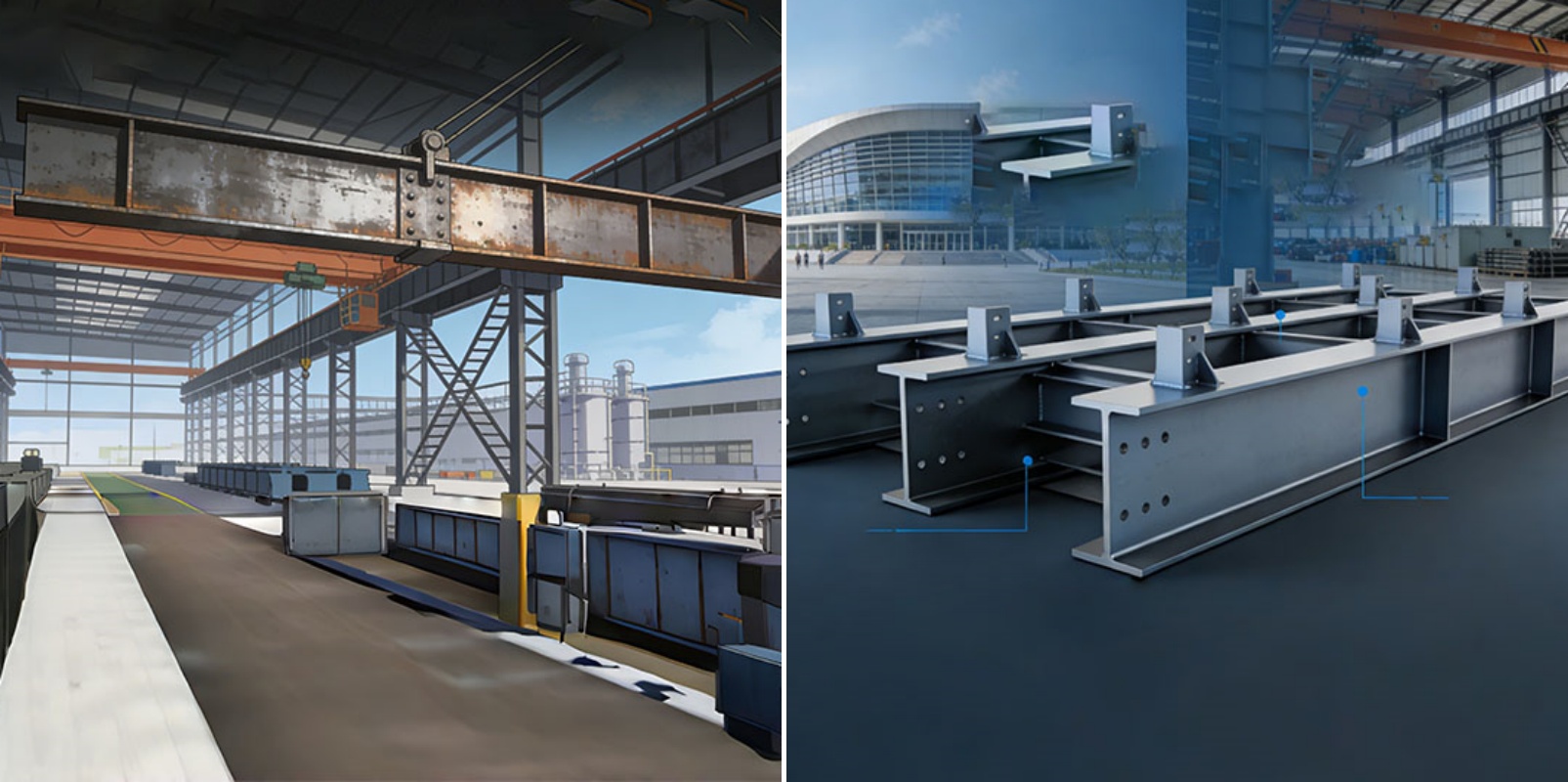
1. Protective Coatings: A Versatile Solution for Corrosion Prevention
Protective coatings are the most widely adopted and versatile form of steel protection. This method involves applying specialized anti-corrosion coatings to the steel surface, creating a sealed barrier that prevents air, moisture, and corrosive chemicals from coming into direct contact with the substrate. By isolating the steel from environmental exposure, coatings effectively reduce the risk of corrosion.
Common protective coating systems include epoxy coatings, polyurethane coatings, and fluorocarbon coatings. In addition to corrosion resistance, these coatings can also enhance the appearance of steel structures, providing both functional protection and aesthetic value. The selection of coating materials should be based on project requirements. For example, polyurethane coatings are often preferred in humid environments because of their excellent water resistance, while epoxy coatings are widely used for components exposed to heavy loads or mechanical impact due to their superior abrasion resistance.
2. Hot-Dip Galvanizing: Long-Term Protection for Harsh Environments
Hot-dip galvanizing is a highly durable corrosion protection method that is widely used for outdoor structures and projects operating in aggressive environments. The process involves immersing pretreated Steel Member s into a bath of molten zinc, allowing a metallurgically bonded zinc layer to form on both the interior and exterior surfaces of the steel.
This protective system works through a sacrificial protection mechanism. Since zinc is more electrochemically active than steel, it corrodes preferentially when exposed to corrosive conditions, thereby protecting the underlying steel substrate from deterioration. Hot-dip galvanized coatings offer exceptional adhesion, durability, and resistance to weathering and corrosion, often outperforming conventional paint systems in demanding environments. The finished surface is uniform and clean, requiring minimal maintenance and significantly reducing long-term operating costs.
3. Thermal Metal Spraying: Enhanced Corrosion and Impact Resistance
Thermal metal spraying is an advanced protective technology that provides both corrosion resistance and improved surface durability. In this process, metals such as zinc, aluminum, or their alloys are heated to a molten state, atomized, and then sprayed onto the steel surface at high velocity. Once solidified, the coating forms a dense and uniform protective layer.
In addition to providing excellent corrosion protection, thermal metal coatings increase surface hardness, improve wear resistance, and enhance impact resistance. Compared with hot-dip galvanizing, thermal spraying offers greater flexibility because it is not limited by component size or geometry. It is particularly suitable for complex structures, irregular shapes, and curved surfaces. The process also allows for efficient treatment of large numbers of components within relatively short project schedules.
Selecting the Right Protection Method to Extend Service Life
Each of the three protective methods—protective coatings, hot-dip galvanizing, and thermal metal spraying—offers distinct advantages and is best suited to specific applications and budget considerations. During the design and construction phases, factors such as project location, environmental conditions, performance requirements, and cost objectives should be carefully evaluated to determine the most effective protection strategy.
HB Steel Structure provides integrated services including protective system design, Steel Member fabrication, and corrosion protection treatment. By applying standardized manufacturing processes and strict quality control measures, we help clients achieve reliable, long-lasting protection for steel structures and ensure the long-term performance of projects worldwide.
As a provider of comprehensive steel structure solutions, HB Steel Structure has extensive experience in the manufacturing of Steel Member s and the optimization of protective treatment processes. We focus on corrosion protection technologies for a wide range of service environments and tailor solutions to meet the climate conditions and construction standards of different regions around the world. By matching the right protection system to each project, we help improve structural reliability and extend building service life. In this article, we will explore three of the most widely used protective methods for Steel Member s in the industry today.
1. Protective Coatings: A Versatile Solution for Corrosion Prevention
Protective coatings are the most widely adopted and versatile form of steel protection. This method involves applying specialized anti-corrosion coatings to the steel surface, creating a sealed barrier that prevents air, moisture, and corrosive chemicals from coming into direct contact with the substrate. By isolating the steel from environmental exposure, coatings effectively reduce the risk of corrosion.
Common protective coating systems include epoxy coatings, polyurethane coatings, and fluorocarbon coatings. In addition to corrosion resistance, these coatings can also enhance the appearance of steel structures, providing both functional protection and aesthetic value. The selection of coating materials should be based on project requirements. For example, polyurethane coatings are often preferred in humid environments because of their excellent water resistance, while epoxy coatings are widely used for components exposed to heavy loads or mechanical impact due to their superior abrasion resistance.
2. Hot-Dip Galvanizing: Long-Term Protection for Harsh Environments
Hot-dip galvanizing is a highly durable corrosion protection method that is widely used for outdoor structures and projects operating in aggressive environments. The process involves immersing pretreated Steel Member s into a bath of molten zinc, allowing a metallurgically bonded zinc layer to form on both the interior and exterior surfaces of the steel.
This protective system works through a sacrificial protection mechanism. Since zinc is more electrochemically active than steel, it corrodes preferentially when exposed to corrosive conditions, thereby protecting the underlying steel substrate from deterioration. Hot-dip galvanized coatings offer exceptional adhesion, durability, and resistance to weathering and corrosion, often outperforming conventional paint systems in demanding environments. The finished surface is uniform and clean, requiring minimal maintenance and significantly reducing long-term operating costs.
3. Thermal Metal Spraying: Enhanced Corrosion and Impact Resistance
Thermal metal spraying is an advanced protective technology that provides both corrosion resistance and improved surface durability. In this process, metals such as zinc, aluminum, or their alloys are heated to a molten state, atomized, and then sprayed onto the steel surface at high velocity. Once solidified, the coating forms a dense and uniform protective layer.
In addition to providing excellent corrosion protection, thermal metal coatings increase surface hardness, improve wear resistance, and enhance impact resistance. Compared with hot-dip galvanizing, thermal spraying offers greater flexibility because it is not limited by component size or geometry. It is particularly suitable for complex structures, irregular shapes, and curved surfaces. The process also allows for efficient treatment of large numbers of components within relatively short project schedules.
Selecting the Right Protection Method to Extend Service Life
Each of the three protective methods—protective coatings, hot-dip galvanizing, and thermal metal spraying—offers distinct advantages and is best suited to specific applications and budget considerations. During the design and construction phases, factors such as project location, environmental conditions, performance requirements, and cost objectives should be carefully evaluated to determine the most effective protection strategy.
HB Steel Structure provides integrated services including protective system design, Steel Member fabrication, and corrosion protection treatment. By applying standardized manufacturing processes and strict quality control measures, we help clients achieve reliable, long-lasting protection for steel structures and ensure the long-term performance of projects worldwide.
Related News
- How to Choose the Right Containment System?
- Seismic Response and Design Considerations for Steel Structure Residential Buildings
- Core Advantages of a Steel Structure Logistics Center
- What Are the Key Advantages of a Steel Structure Multi-story Residential Building?
- Key Considerations for Modern Steel Structure Cold Storage Construction
- How to Optimize Ventilation Systems in a Steel Structure Residential Building
Leave me a message