
 English
-
English
-
 Español
-
 Português
-
 Русский
-
 Français
-
 日本語
日本語
-
 Deutsch
-
 Tiếng Việt
-
 Italiano
-
 Nederlands
-
 ไทย
ไทย
-
 Polski
-
 한국어
한국어
-
 Svenska
-
 Magyar
-
 Bahasa Melayu
-
 বাংলা
বাংলা
-
 Dansk
Dansk
-
 Suomi
Suomi
-
 हिन्दी
-
 Filipino
-
 Türkçe
-
 Gaeilge
-
 العربية
-
 Bahasa Indonesia
-
 Norsk
Norsk
-
 اردو
اردو
-
 Čeština
-
 Ελληνικά
-
 Українська
-
 Basa Jawa
-
 فارسی
فارسی
-
 தமிழ்
தமிழ்
-
 తెలుగు
-
 नेपाली
-
 မြန်မာ
-
 Български
-
 ລາວ
ລາວ
-
 Latina
-
 Қазақша
-
 Euskera
-
 Azərbaycan
-
 Slovenčina
-
 Македонски
-
 Lietuvių
-
 Eesti
Eesti
-
 Română
-
 Slovenščina

How to Choose the Right Containment System?
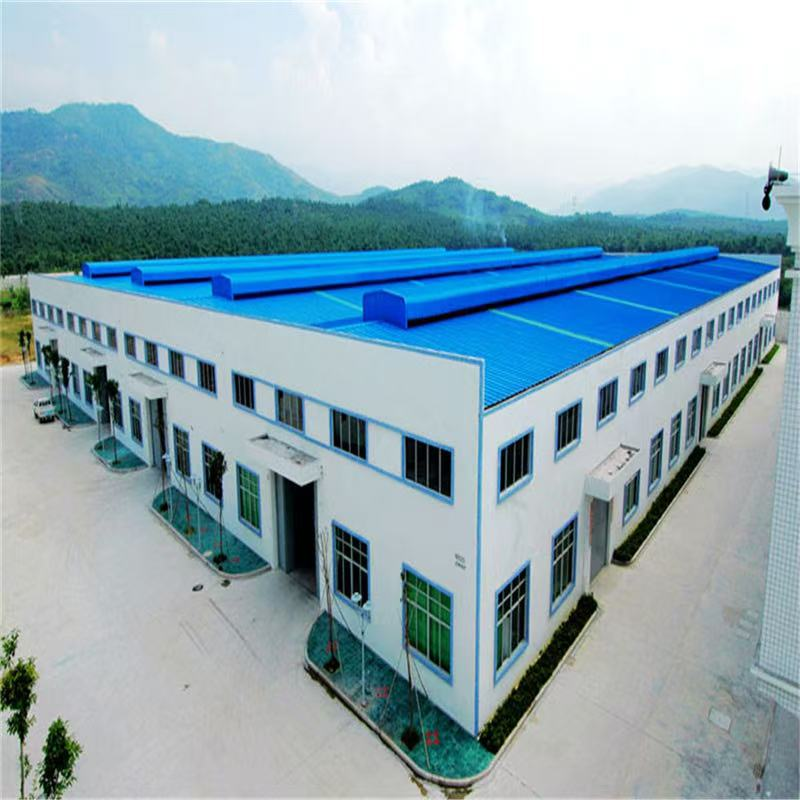
In modern industrial construction, the Containment System serves as the protective envelope of a steel structure facility. It typically includes roofing systems, wall system s, insulation panels, and associated waterproofing components. The performance of the Containment System directly influences a building's thermal efficiency, wind resistance, service life, and overall operating costs. Unlike conventional residential buildings, industrial facilities are subjected to more demanding operating conditions and higher usage intensity. As a result, selecting a Containment System is not simply a matter of choosing individual materials; it requires a comprehensive evaluation of multiple factors. A well-designed Containment System not only improves the working environment within the facility but also helps reduce long-term maintenance and operating expenses.
Drawing on extensive experience from industrial projects across domestic and international markets, HB Steel Structure specializes in the overall planning of steel structure buildings, structural component manufacturing, and integrated Containment System design. Our team understands regional climate variations and industry-specific construction requirements, enabling us to recommend the most suitable wall and roofing system combinations based on production processes, site conditions, and project budgets. The following sections outline five key considerations for selecting a Containment System for steel structure buildings.
I. Define Core Performance Requirements Based on Building Function
The first step in selecting a Containment System is to clearly understand the operational requirements of the facility. Different industries place different demands on building envelope performance.
For example, cold-chain processing plants and chemical production facilities typically require superior thermal insulation, fire resistance, and airtightness. In contrast, general warehouses and light industrial workshops often prioritize ventilation performance and basic corrosion protection. By matching insulation materials, exterior panel systems, and sealing components to the specific operational requirements of the facility, building owners can ensure optimal performance and efficiency throughout daily operations.
II. Consider Regional Climate Conditions
Local climate conditions are a critical factor in Containment System selection and should never be overlooked.
In regions exposed to heavy snow loads, high winds, or frequent typhoons, high-strength panel profiles, thicker cladding materials, and reinforced structural support systems are essential for improving roof and wall load-bearing performance and resisting extreme weather conditions.
In hot climates, reflective exterior surfaces combined with advanced insulated core materials can significantly reduce heat gain, helping lower cooling and ventilation energy consumption.
For coastal regions and areas affected by acid rain or corrosive environments, corrosion-resistant cladding materials with enhanced resistance to salt spray and chemical exposure should be prioritized to maximize long-term durability.
III. Prioritize Durability to Reduce Long-Term Maintenance Costs
Industrial facilities are long-term assets, making durability one of the most important considerations in Containment System design.
A high-quality Containment System should offer excellent resistance to weathering, corrosion, and aging while remaining easy to inspect and maintain. The exterior surface should resist peeling, leakage, fading, and other forms of deterioration over time.
In addition, standardized system components allow damaged sections to be replaced individually without requiring extensive renovation of the entire envelope system. Over the building's lifecycle, durable materials can significantly reduce maintenance frequency and help facility owners avoid unnecessary repair costs.
IV. Balance Budget Considerations with Performance Requirements
Today's market offers a wide variety of Containment System options, ranging from conventional insulated steel sandwich panels to premium alloy-based cladding systems. These solutions vary considerably in both performance and cost.
While high-performance customized systems often provide superior protection and efficiency, they also require higher initial investment. Building owners should avoid both over-specification and excessive cost-cutting. Instead, it is advisable to prioritize essential performance requirements such as wind resistance, waterproofing, and thermal insulation before selecting the most cost-effective solution within the available budget.
A balanced approach ensures that project objectives are achieved without unnecessary expenditure.
V. Evaluate Installation Efficiency and Construction Practicality
Ease of installation is another important factor that directly impacts project schedules and construction costs.
Modular and standardized Containment System components are well suited for large-scale lifting operations and rapid on-site assembly, significantly reducing construction time and labor requirements.
Conversely, non-standard systems with complicated installation procedures may extend construction schedules and increase the risk of errors that can lead to future problems such as water infiltration or sealing failures.
Selecting proven products that are easy to transport, handle, and install can help ensure efficient project execution and successful facility delivery.
Integrating Multiple Factors to Develop the Optimal Containment System Solution
In summary, selecting a Containment System for a steel structure building is a comprehensive decision-making process that requires careful consideration of five key factors: functional requirements, environmental conditions, durability, budget constraints, and construction efficiency.
Leveraging extensive experience in industrial building construction, HB Steel Structure provides comprehensive services including Containment System consultation, structural optimization, and integrated cladding and panel manufacturing. We work closely with clients worldwide to develop customized, cost-effective building envelope solutions that meet the specific requirements of various industries and operating environments, delivering long-term value and reliable performance for every project.
Drawing on extensive experience from industrial projects across domestic and international markets, HB Steel Structure specializes in the overall planning of steel structure buildings, structural component manufacturing, and integrated Containment System design. Our team understands regional climate variations and industry-specific construction requirements, enabling us to recommend the most suitable wall and roofing system combinations based on production processes, site conditions, and project budgets. The following sections outline five key considerations for selecting a Containment System for steel structure buildings.
I. Define Core Performance Requirements Based on Building Function
The first step in selecting a Containment System is to clearly understand the operational requirements of the facility. Different industries place different demands on building envelope performance.
For example, cold-chain processing plants and chemical production facilities typically require superior thermal insulation, fire resistance, and airtightness. In contrast, general warehouses and light industrial workshops often prioritize ventilation performance and basic corrosion protection. By matching insulation materials, exterior panel systems, and sealing components to the specific operational requirements of the facility, building owners can ensure optimal performance and efficiency throughout daily operations.
II. Consider Regional Climate Conditions
Local climate conditions are a critical factor in Containment System selection and should never be overlooked.
In regions exposed to heavy snow loads, high winds, or frequent typhoons, high-strength panel profiles, thicker cladding materials, and reinforced structural support systems are essential for improving roof and wall load-bearing performance and resisting extreme weather conditions.
In hot climates, reflective exterior surfaces combined with advanced insulated core materials can significantly reduce heat gain, helping lower cooling and ventilation energy consumption.
For coastal regions and areas affected by acid rain or corrosive environments, corrosion-resistant cladding materials with enhanced resistance to salt spray and chemical exposure should be prioritized to maximize long-term durability.
III. Prioritize Durability to Reduce Long-Term Maintenance Costs
Industrial facilities are long-term assets, making durability one of the most important considerations in Containment System design.
A high-quality Containment System should offer excellent resistance to weathering, corrosion, and aging while remaining easy to inspect and maintain. The exterior surface should resist peeling, leakage, fading, and other forms of deterioration over time.
In addition, standardized system components allow damaged sections to be replaced individually without requiring extensive renovation of the entire envelope system. Over the building's lifecycle, durable materials can significantly reduce maintenance frequency and help facility owners avoid unnecessary repair costs.
IV. Balance Budget Considerations with Performance Requirements
Today's market offers a wide variety of Containment System options, ranging from conventional insulated steel sandwich panels to premium alloy-based cladding systems. These solutions vary considerably in both performance and cost.
While high-performance customized systems often provide superior protection and efficiency, they also require higher initial investment. Building owners should avoid both over-specification and excessive cost-cutting. Instead, it is advisable to prioritize essential performance requirements such as wind resistance, waterproofing, and thermal insulation before selecting the most cost-effective solution within the available budget.
A balanced approach ensures that project objectives are achieved without unnecessary expenditure.
V. Evaluate Installation Efficiency and Construction Practicality
Ease of installation is another important factor that directly impacts project schedules and construction costs.
Modular and standardized Containment System components are well suited for large-scale lifting operations and rapid on-site assembly, significantly reducing construction time and labor requirements.
Conversely, non-standard systems with complicated installation procedures may extend construction schedules and increase the risk of errors that can lead to future problems such as water infiltration or sealing failures.
Selecting proven products that are easy to transport, handle, and install can help ensure efficient project execution and successful facility delivery.
Integrating Multiple Factors to Develop the Optimal Containment System Solution
In summary, selecting a Containment System for a steel structure building is a comprehensive decision-making process that requires careful consideration of five key factors: functional requirements, environmental conditions, durability, budget constraints, and construction efficiency.
Leveraging extensive experience in industrial building construction, HB Steel Structure provides comprehensive services including Containment System consultation, structural optimization, and integrated cladding and panel manufacturing. We work closely with clients worldwide to develop customized, cost-effective building envelope solutions that meet the specific requirements of various industries and operating environments, delivering long-term value and reliable performance for every project.
Related News
- Seismic Response and Design Considerations for Steel Structure Residential Buildings
- Core Advantages of a Steel Structure Logistics Center
- What Are the Key Advantages of a Steel Structure Multi-story Residential Building?
- Protective Methods for Steel Members
- Key Considerations for Modern Steel Structure Cold Storage Construction
- How to Optimize Ventilation Systems in a Steel Structure Residential Building
Leave me a message