
 English
-
English
-
 Español
-
 Português
-
 Русский
-
 Français
-
 日本語
日本語
-
 Deutsch
-
 Tiếng Việt
-
 Italiano
-
 Nederlands
-
 ไทย
ไทย
-
 Polski
-
 한국어
한국어
-
 Svenska
-
 Magyar
-
 Bahasa Melayu
-
 বাংলা
বাংলা
-
 Dansk
Dansk
-
 Suomi
Suomi
-
 हिन्दी
-
 Filipino
-
 Türkçe
-
 Gaeilge
-
 العربية
-
 Bahasa Indonesia
-
 Norsk
Norsk
-
 اردو
اردو
-
 Čeština
-
 Ελληνικά
-
 Українська
-
 Basa Jawa
-
 فارسی
فارسی
-
 தமிழ்
தமிழ்
-
 తెలుగు
-
 नेपाली
-
 မြန်မာ
-
 Български
-
 ລາວ
ລາວ
-
 Latina
-
 Қазақша
-
 Euskera
-
 Azərbaycan
-
 Slovenčina
-
 Македонски
-
 Lietuvių
-
 Eesti
Eesti
-
 Română
-
 Slovenščina

How to Optimize Ventilation Systems in a Steel Structure Residential Building
In recent years, the Steel Structure Residential Building has gained increasing popularity in the global residential construction market due to its lightweight structure, shorter construction timeline, efficient use of space, and environmentally friendly characteristics. It has become a preferred solution for both urban housing developments and private home construction projects. Unlike traditional masonry or reinforced concrete homes, steel structure residences typically utilize lightweight composite panels as enclosure systems, resulting in unique thermal and airtightness characteristics. As a key factor in residential comfort, the ventilation system directly affects indoor air quality, humidity levels, and overall living conditions. Therefore, optimizing ventilation design should be a critical consideration during the planning and design stages of a steel structure residence.
HB Steel Structure specializes in steel residential construction, focusing on innovative steel structure development and customized component manufacturing. With extensive knowledge of climate conditions and living preferences across different regions, the company provides customized structural design solutions that balance safety, energy efficiency, and occupant comfort. Our services cover a wide range of projects, including high-rise residential buildings and low-rise light steel homes, delivering professional, one-stop solutions for clients worldwide. This article outlines four practical strategies for optimizing ventilation systems in a Steel Structure Residential Building , providing valuable insights for architects, developers, and homeowners around the world.
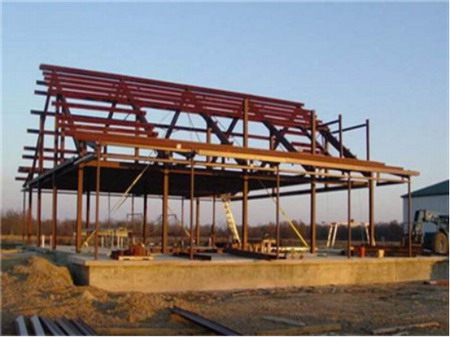
I. Optimize Floor Plans to Maximize Natural Ventilation
Natural ventilation is the most cost-effective and environmentally friendly method of air exchange, making it a fundamental element of residential design.
Designers should carefully analyze prevailing wind patterns at the project location and strategically determine the placement, orientation, and size of doors and windows. In primary living spaces such as living rooms and bedrooms, openings should be positioned on opposite sides whenever possible to create effective cross-ventilation and promote continuous airflow throughout the interior.
Window sill heights and operable window areas should also be carefully calculated to accommodate seasonal ventilation requirements. Even without mechanical equipment, a well-designed natural ventilation strategy can provide sufficient air exchange and maintain a fresh indoor environment.
II. Incorporate Mechanical Ventilation to Address Poorly Ventilated Areas
Depending on floor plan configuration and building location, some areas may experience inadequate airflow that cannot be fully resolved through natural ventilation alone.
Spaces such as kitchens and bathrooms, which are prone to moisture accumulation and odors, should be equipped with dedicated low-noise exhaust systems to efficiently remove humid air and contaminants. In corridors, hallways, and other shared spaces, positive-pressure air supply systems can help establish controlled airflow patterns throughout the building.
By supplementing natural ventilation with mechanical systems, homeowners can effectively reduce issues such as condensation, dampness, and odor transfer while maintaining consistent indoor air quality throughout the residence.
III. Improve Building Envelope Airtightness While Maintaining Energy Efficiency
The assembly of lightweight steel wall panels is a critical aspect of steel residential construction. If joints between wall panels, insulation layers, and structural components are not properly sealed, unwanted air leakage and energy loss can occur.
During both design and construction, special attention should be given to sealing wall joints, window and door interfaces, and roof connections. High-performance insulation materials should also be incorporated to enhance thermal performance.
By minimizing uncontrolled air leakage while maintaining planned and controlled ventilation pathways, homeowners can achieve a balance between indoor air quality and energy efficiency. This approach reduces heating and cooling loads, lowers energy consumption, and decreases long-term operating costs.
IV. Integrate Smart Control Systems for Automated Ventilation Management
As smart home technologies continue to advance, intelligent ventilation systems have become an increasingly important feature in modern steel structure residences.
By integrating temperature, humidity, and indoor air quality sensors with exhaust fans and fresh air systems, the ventilation system can continuously monitor indoor environmental conditions in real time.
Based on factors such as indoor and outdoor temperature differences, humidity levels, and air quality measurements, the system can automatically adjust ventilation rates and activate equipment as needed. This intelligent approach helps prevent issues such as excessive humidity, poor air circulation, and stale indoor air while minimizing unnecessary energy consumption.
The result is a more comfortable, energy-efficient, and environmentally responsible living environment.
Optimizing the ventilation system of a Steel Structure Residential Building requires a comprehensive approach that combines natural ventilation, mechanical ventilation, airtight construction, and intelligent control technologies. The most effective solution should be tailored to local climate conditions and project requirements, balancing ventilation performance, occupant comfort, and energy efficiency.
With extensive experience in the design and production of steel structure residences, HB Steel Structure provides comprehensive services including floor plan optimization, detailed structural engineering, and customized component manufacturing. We help clients worldwide create safe, comfortable, energy-efficient, and high-quality steel residential buildings that meet the demands of modern living.
HB Steel Structure specializes in steel residential construction, focusing on innovative steel structure development and customized component manufacturing. With extensive knowledge of climate conditions and living preferences across different regions, the company provides customized structural design solutions that balance safety, energy efficiency, and occupant comfort. Our services cover a wide range of projects, including high-rise residential buildings and low-rise light steel homes, delivering professional, one-stop solutions for clients worldwide. This article outlines four practical strategies for optimizing ventilation systems in a Steel Structure Residential Building , providing valuable insights for architects, developers, and homeowners around the world.
I. Optimize Floor Plans to Maximize Natural Ventilation
Natural ventilation is the most cost-effective and environmentally friendly method of air exchange, making it a fundamental element of residential design.
Designers should carefully analyze prevailing wind patterns at the project location and strategically determine the placement, orientation, and size of doors and windows. In primary living spaces such as living rooms and bedrooms, openings should be positioned on opposite sides whenever possible to create effective cross-ventilation and promote continuous airflow throughout the interior.
Window sill heights and operable window areas should also be carefully calculated to accommodate seasonal ventilation requirements. Even without mechanical equipment, a well-designed natural ventilation strategy can provide sufficient air exchange and maintain a fresh indoor environment.
II. Incorporate Mechanical Ventilation to Address Poorly Ventilated Areas
Depending on floor plan configuration and building location, some areas may experience inadequate airflow that cannot be fully resolved through natural ventilation alone.
Spaces such as kitchens and bathrooms, which are prone to moisture accumulation and odors, should be equipped with dedicated low-noise exhaust systems to efficiently remove humid air and contaminants. In corridors, hallways, and other shared spaces, positive-pressure air supply systems can help establish controlled airflow patterns throughout the building.
By supplementing natural ventilation with mechanical systems, homeowners can effectively reduce issues such as condensation, dampness, and odor transfer while maintaining consistent indoor air quality throughout the residence.
III. Improve Building Envelope Airtightness While Maintaining Energy Efficiency
The assembly of lightweight steel wall panels is a critical aspect of steel residential construction. If joints between wall panels, insulation layers, and structural components are not properly sealed, unwanted air leakage and energy loss can occur.
During both design and construction, special attention should be given to sealing wall joints, window and door interfaces, and roof connections. High-performance insulation materials should also be incorporated to enhance thermal performance.
By minimizing uncontrolled air leakage while maintaining planned and controlled ventilation pathways, homeowners can achieve a balance between indoor air quality and energy efficiency. This approach reduces heating and cooling loads, lowers energy consumption, and decreases long-term operating costs.
IV. Integrate Smart Control Systems for Automated Ventilation Management
As smart home technologies continue to advance, intelligent ventilation systems have become an increasingly important feature in modern steel structure residences.
By integrating temperature, humidity, and indoor air quality sensors with exhaust fans and fresh air systems, the ventilation system can continuously monitor indoor environmental conditions in real time.
Based on factors such as indoor and outdoor temperature differences, humidity levels, and air quality measurements, the system can automatically adjust ventilation rates and activate equipment as needed. This intelligent approach helps prevent issues such as excessive humidity, poor air circulation, and stale indoor air while minimizing unnecessary energy consumption.
The result is a more comfortable, energy-efficient, and environmentally responsible living environment.
Optimizing the ventilation system of a Steel Structure Residential Building requires a comprehensive approach that combines natural ventilation, mechanical ventilation, airtight construction, and intelligent control technologies. The most effective solution should be tailored to local climate conditions and project requirements, balancing ventilation performance, occupant comfort, and energy efficiency.
With extensive experience in the design and production of steel structure residences, HB Steel Structure provides comprehensive services including floor plan optimization, detailed structural engineering, and customized component manufacturing. We help clients worldwide create safe, comfortable, energy-efficient, and high-quality steel residential buildings that meet the demands of modern living.
Related News
- How to Choose the Right Containment System?
- Seismic Response and Design Considerations for Steel Structure Residential Buildings
- Core Advantages of a Steel Structure Logistics Center
- What Are the Key Advantages of a Steel Structure Multi-story Residential Building?
- Protective Methods for Steel Members
- Key Considerations for Modern Steel Structure Cold Storage Construction




Leave me a message